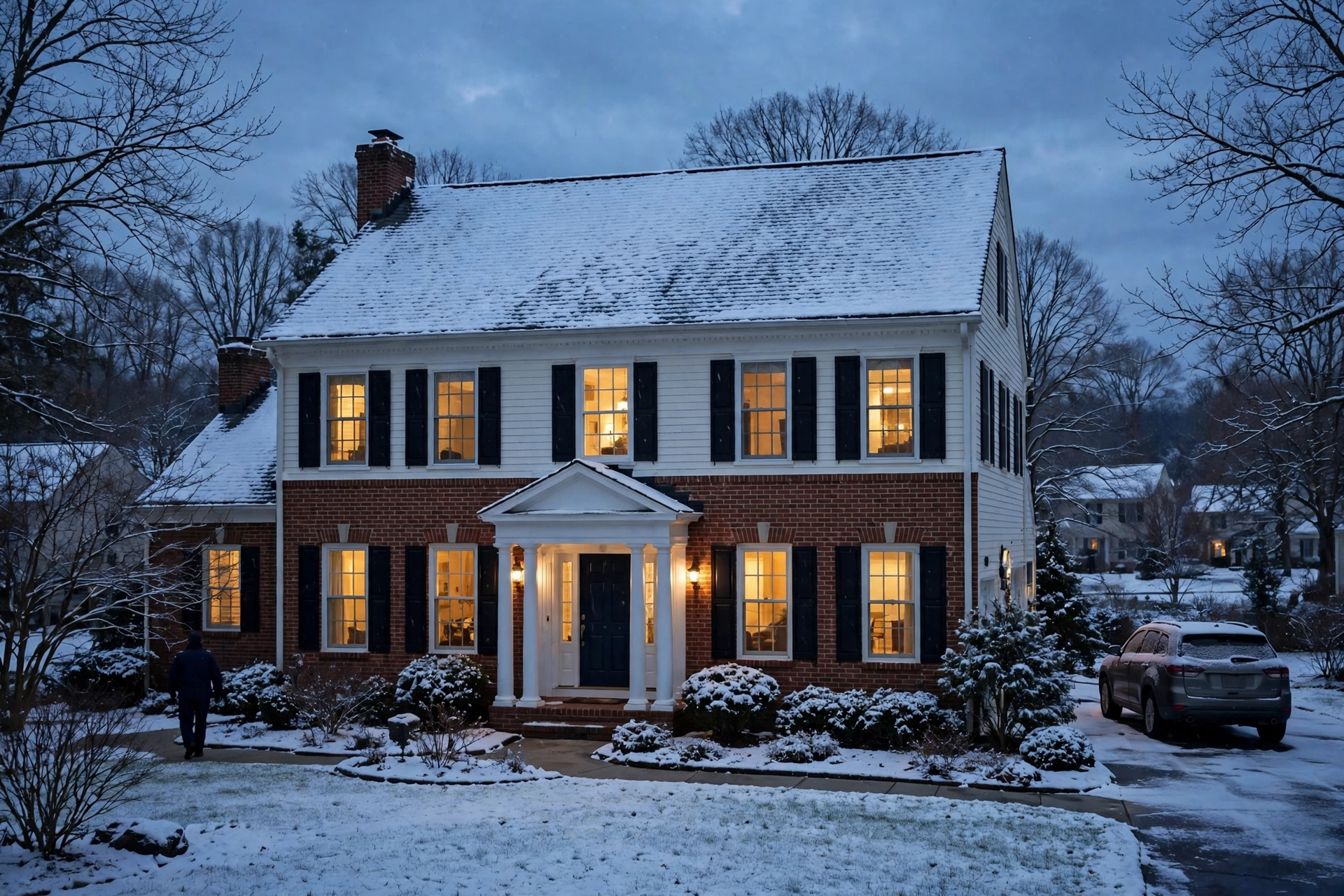
When the heat quits in Manassas, you need a diagnosis, not a guess. We test the full heating sequence, explain the finding plainly, and fix the failed part, day or night.
Most furnace calls start with a symptom: cold air, strange noises, a system that will not start. The symptom is rarely the problem. Our technicians trace the heating sequence step by step until the failed part shows itself, then show you the evidence and the plan before any repair starts.
Meter readings, photos, and a written summary of what failed and why.
Ignition, sensors, and airflow are tested in order, so healthy parts stay in place.
The repair is proven through full heating cycles before the visit wraps up.
Ten services, all starting with the same discipline: find the cause first. Pick the one that matches your problem.
No heat tonight? We find the failed part and get the heat back on, around the clock.
Ignition, burner, and gas control problems found by sequence testing and fixed.
Heat strips, sequencers, and air handler faults diagnosed and repaired.
A full seasonal tune-up that keeps heat steady and catches wear early.
New furnaces sized to the house and installed with sealed, tested duct connections.
A tired furnace swapped for a modern system, planned and written out first.
You describe the sounds, smells, and timing. We tell you what to check and route the right technician.

Thermostat call, inducer, ignition, flame proof, blower: each step is verified before parts are discussed.
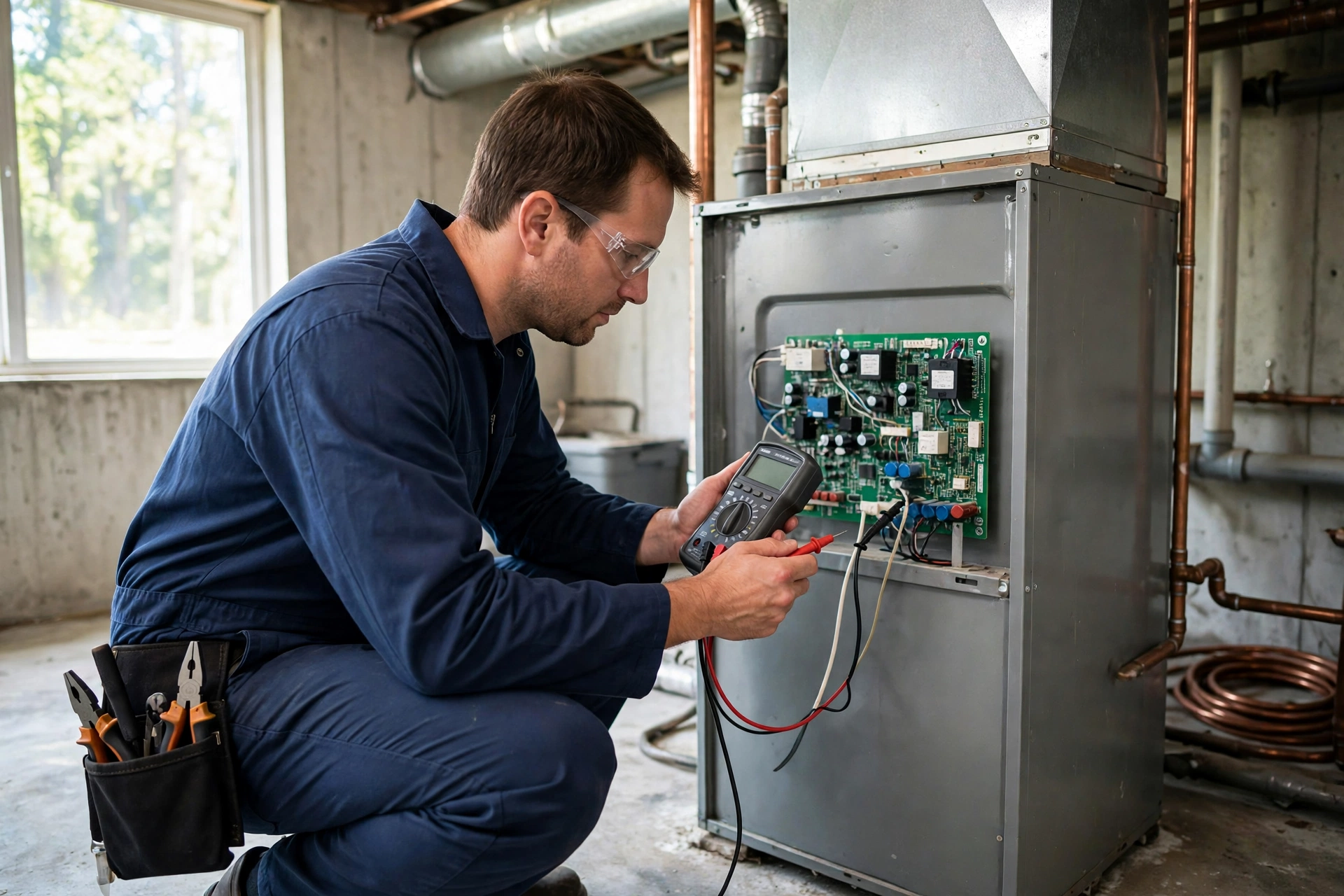
You see the failed part, the readings behind the call, and a written plan before approving anything.
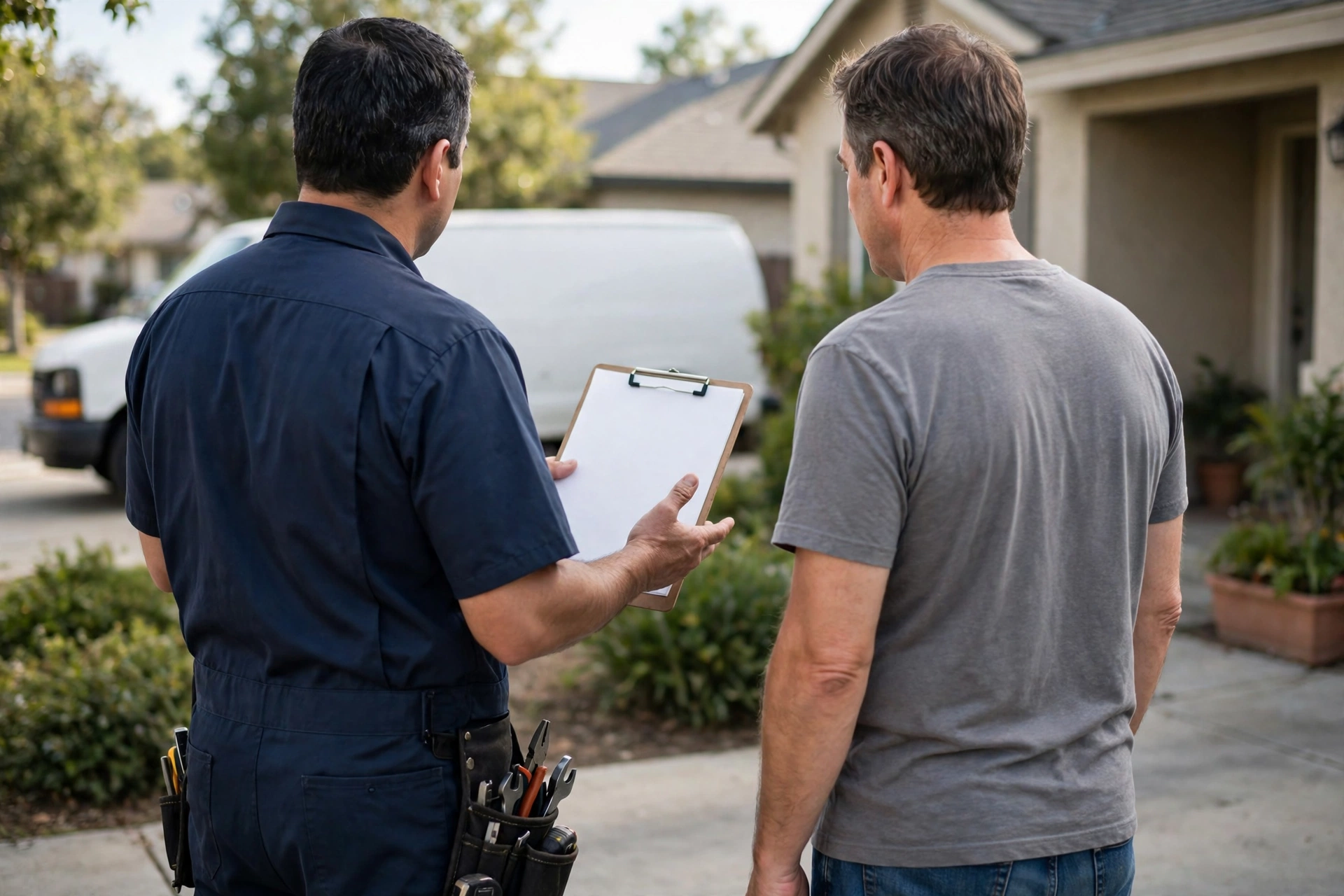
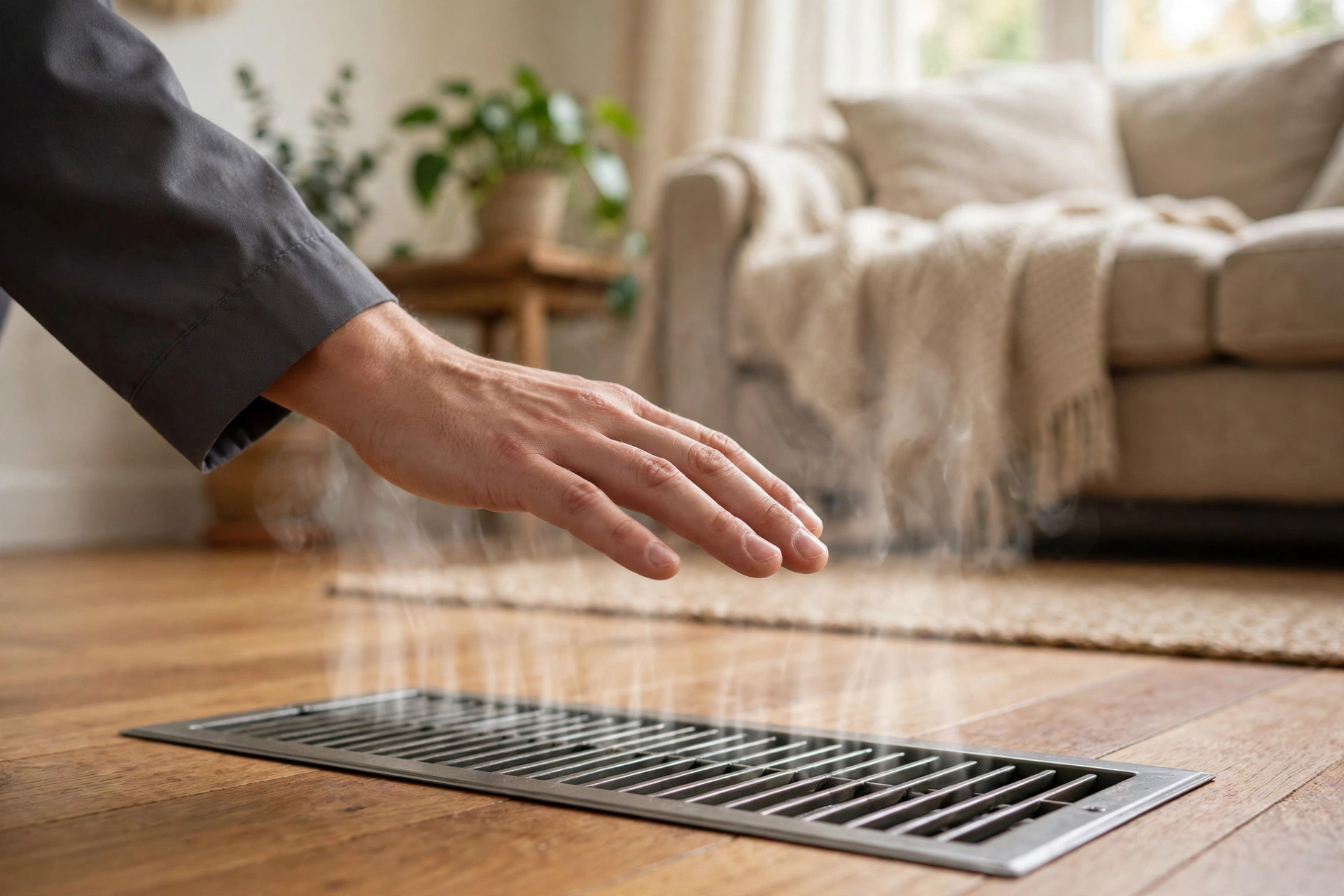
After the repair, the furnace runs complete cycles and the registers are checked room by room.
Every job is diagnosed first. You get a written plan that lists each part of the work.
A technician tests the full heating sequence at your home and explains what the system needs.
The failed part is replaced or repaired, then proven through complete heating cycles.
Installations and replacements scoped in writing, with sizing done for your house.
What happens, in order, once you pick up the phone.
Tell us what the furnace is doing, plus anything you hear or smell. We talk through quick checks while your visit is routed.
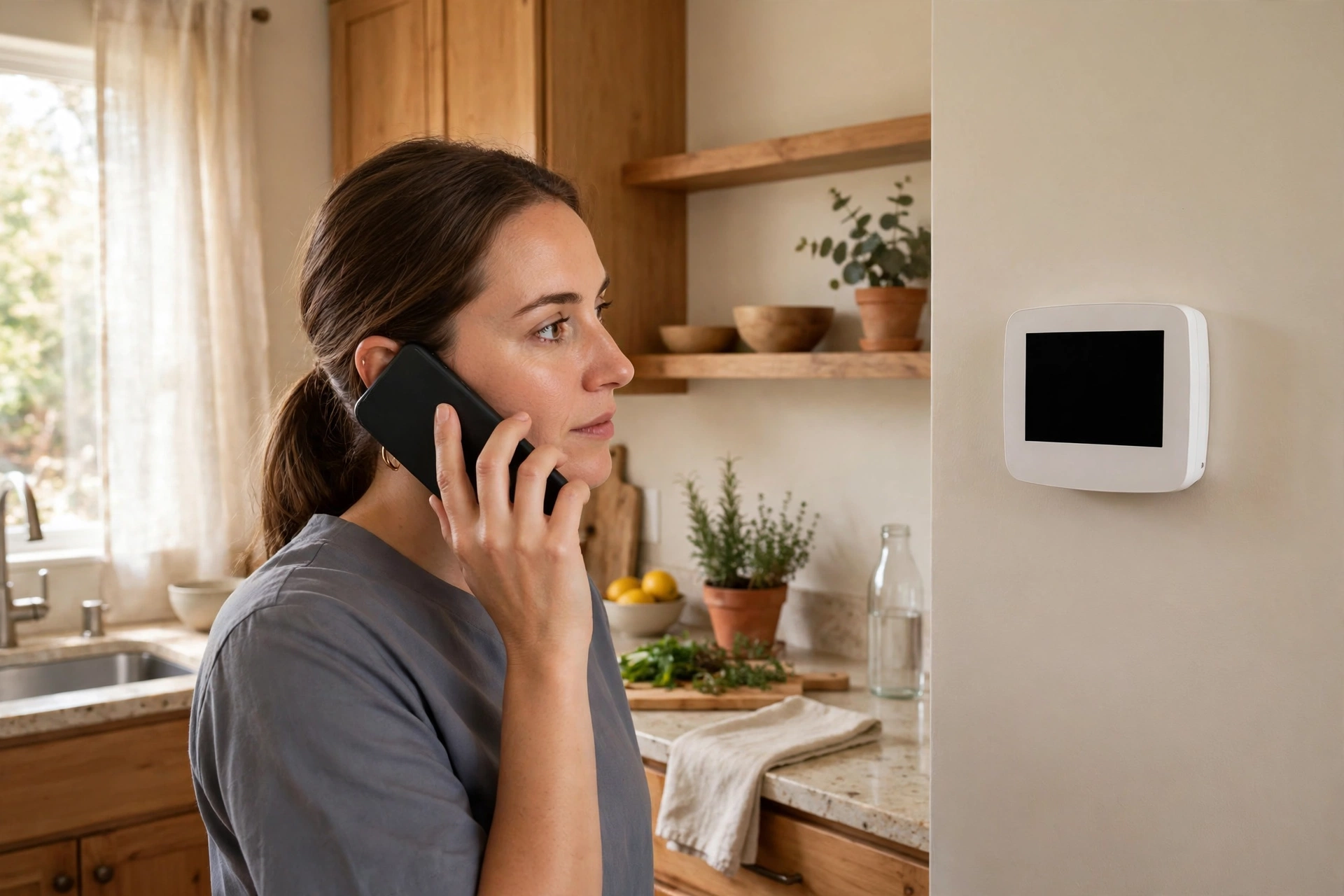
The technician arrives with the symptom notes from your call, so testing starts at the right end of the system.
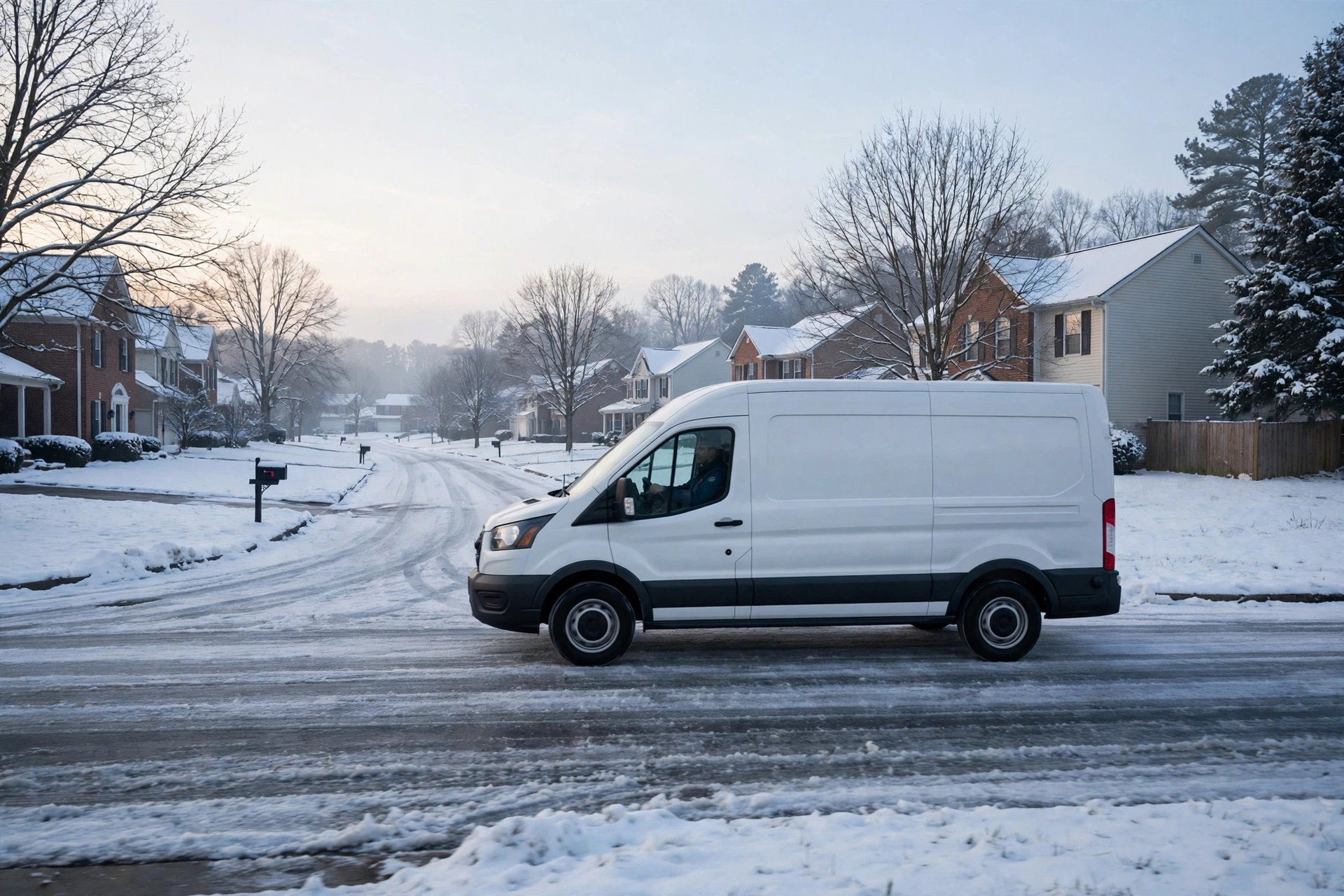
Inducer, igniter, flame sensor, gas valve, blower: the sequence is tested in order until one step fails. That step is the repair.
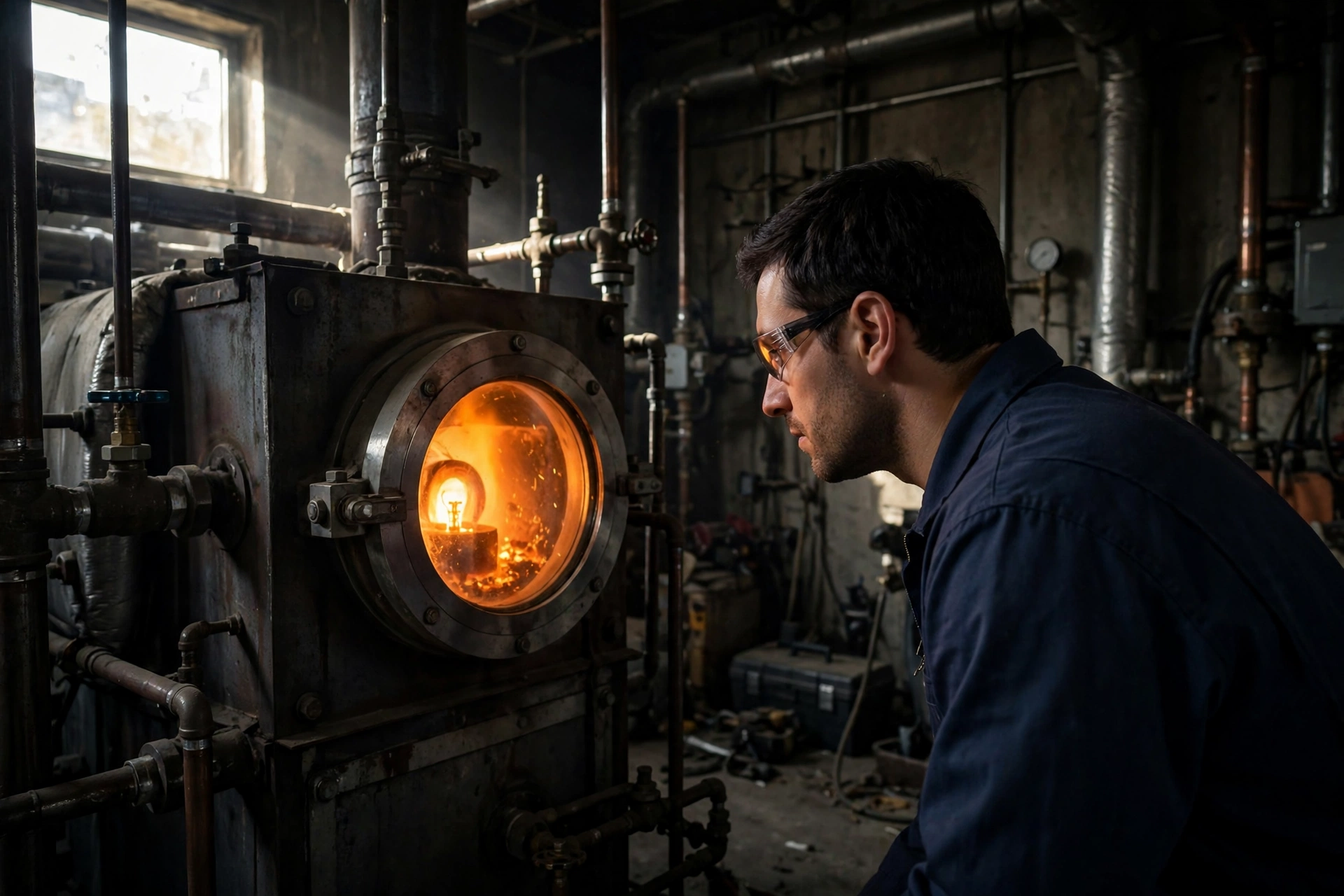
The repair is finished, the furnace runs full heating cycles, and warm air is confirmed at the registers before the visit closes.
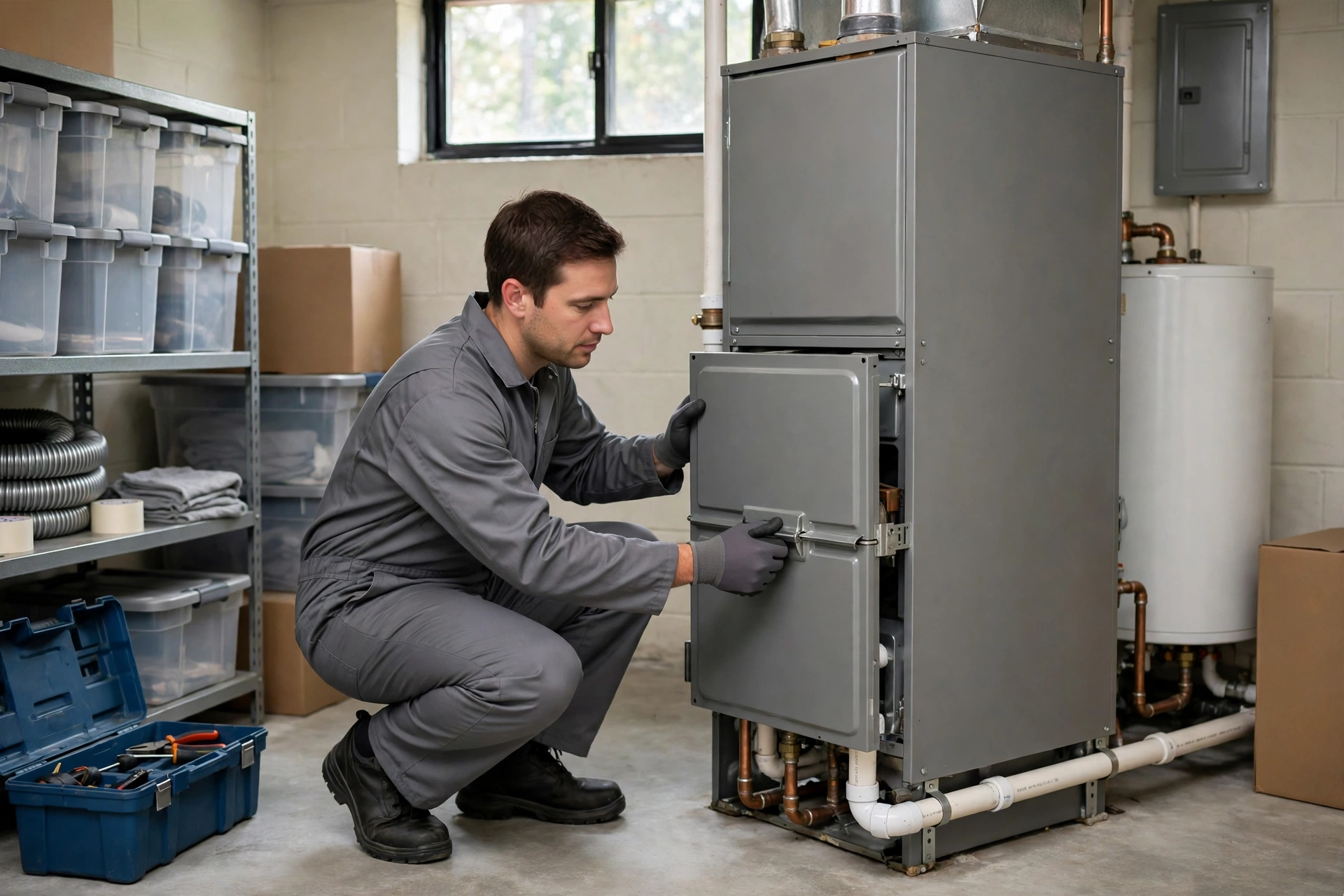
Six common presentations, the usual cause behind each one, and what a technician checks first.
A thermostat that never calls, a tripped breaker, a failed igniter, or a safety switch holding the system off.
We trace the startup order from the thermostat to the burners and stop at the step that fails.
The house is cooling steadily and the forecast says the night gets colder.
Call (703) 962-7410 and describe what yours is doing.
The furnace makes heat but the air is not arriving: blower trouble, duct leaks, or a choked filter.
We compare supply temperatures room by room, then test blower output and static pressure.
One whole floor never warms while the furnace runs nonstop.
Call (703) 962-7410 and describe what yours is doing.
Short cycling, most often an overheating furnace from blocked airflow or a flame signal that fades.
We watch a full cycle with meters on, catching the exact moment the system shuts itself down.
Cycles shrink to a few minutes and the house never reaches the set temperature.
Call (703) 962-7410 and describe what yours is doing.
A bang hints at delayed ignition, a squeal at a worn blower bearing, a rattle at loose panels or duct metal.
We time the noise inside the heating cycle, which narrows it to a short list of parts.
The sound is a boom, a grinding scrape, or anything that started suddenly.
Call (703) 962-7410 and describe what yours is doing.
First-run dust in October is normal. Ongoing electrical, oil, or gas odors are not.
We inspect the burners, wiring, and heat exchanger, and check for gas leaks at the valve train.
You smell gas or the carbon monoxide detector sounds. Leave the house and call from outside.
Call (703) 962-7410 and describe what yours is doing.
Dead batteries, a sensor thrown off by sun or drafts, or a wire that lost its connection.
We test the signal at the furnace terminals, which separates wall problems from furnace problems in minutes.
The display is blank, the house is cold, and fresh batteries change nothing.
Call (703) 962-7410 and describe what yours is doing.
Routes run daily across Prince William County and the western Fairfax County suburbs.
Every Manassas ZIP is on a daily route. Mention yours when you call and we will confirm the visit window.
Straight answers for the first few minutes of a heating problem.
Confirm the thermostat is set to heat, check the furnace switch and the breaker panel, and look at the filter. If everything looks right and there is still no heat, call (703) 962-7410 and tell us what the system does when it tries to start.
No-heat calls are routed first. When you call (703) 962-7410, you get a real arrival window for your address, not a vague all-day range.
Yes. Homes around Nokesville, Haymarket, and the rural edges of Prince William County often heat with propane, and the fuel setup is verified on every propane visit.
All of Manassas plus Centreville, Gainesville, Bristow, Woodbridge, Dale City, Haymarket, Chantilly, Fairfax, and Nokesville, across ZIPs 20108 to 20113 and beyond.
Yes. The technician tests the full heating sequence, explains the finding in plain language, and puts the repair plan in writing before any work begins.
Yes. A yearly visit keeps the system running the way it was installed and catches small wear items while they are still simple to fix.
Still have a question? Describe what your furnace is doing and we will point you to the right next step. (703) 962-7410
The line is answered around the clock. Tell us what the furnace is doing and the visit gets planned on the spot.
Call (703) 962-7410