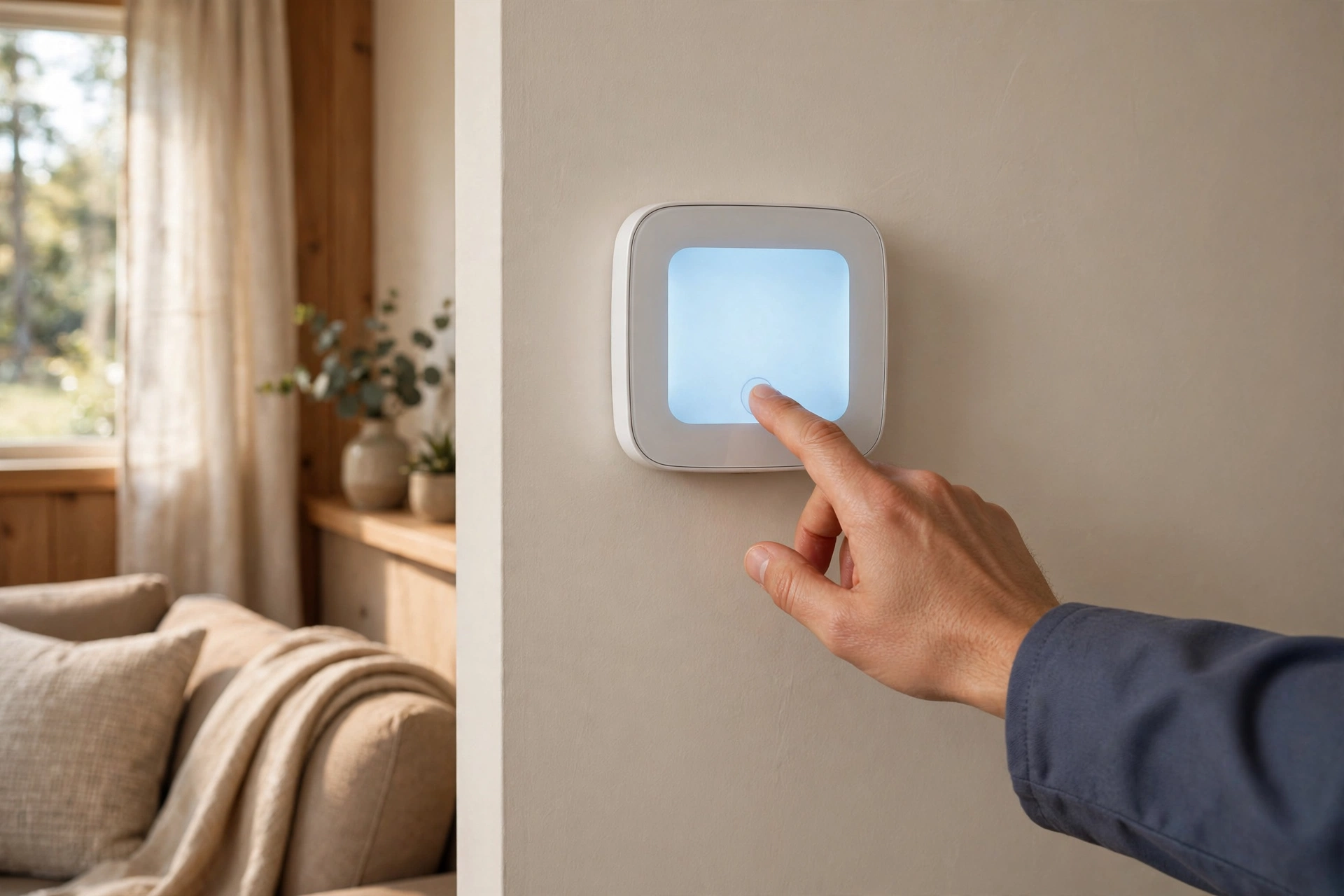
A faulty thermostat can imitate a dead furnace. We verify the signal from the wall to the control board before anyone blames the equipment.
A faulty thermostat can make a healthy furnace look broken, causing no heat calls, short cycling, or rooms that never match the setting. Manassas Furnace Pros tests thermostat wiring, power, sensors, and settings for homes across Manassas and Prince William County, repairs or replaces failed controls, and confirms the furnace responds correctly through full cycles. If your thermostat screen is blank or readings seem wrong, call (703) 962-7410 for help today.
The thermostat is the only part of the heating system most homeowners touch daily, and when it misbehaves the symptoms look like furnace failure. A blank screen can mean lost power, a failed thermostat, or a furnace control issue that cut the low voltage supply. Wrong temperature readings make the furnace stop early or run long past comfort. Short cycling may begin at the wall control long before any part inside the furnace cabinet is involved. Age shows on thermostats as worn buttons, fading displays, and relays that click without reliably switching, long before the screen goes fully dark. Intermittent behavior is often the first stage, which is why heat that works most days still deserves a control check. Intermittent faults rarely heal themselves once winter demand increases across Manassas households.
Our diagnosis separates the control from the equipment. We test the low voltage circuit, check wiring connections at both ends, verify the furnace responds to a direct call for heat, and review settings including system type and cycle rate. That process protects Manassas homeowners from replacing furnace parts when the real fault sits in a thermostat sensor, a loose wire, a failing control board connection, or a simple configuration mistake after a battery change. Battery powered models hide their decline until the batteries fade during a cold night, and some furnaces then lose heat entirely even though the equipment is healthy. We note battery type and change date during service. Replacing batteries each fall is cheap insurance that many Prince William County homeowners simply never hear recommended clearly until a failure teaches it.
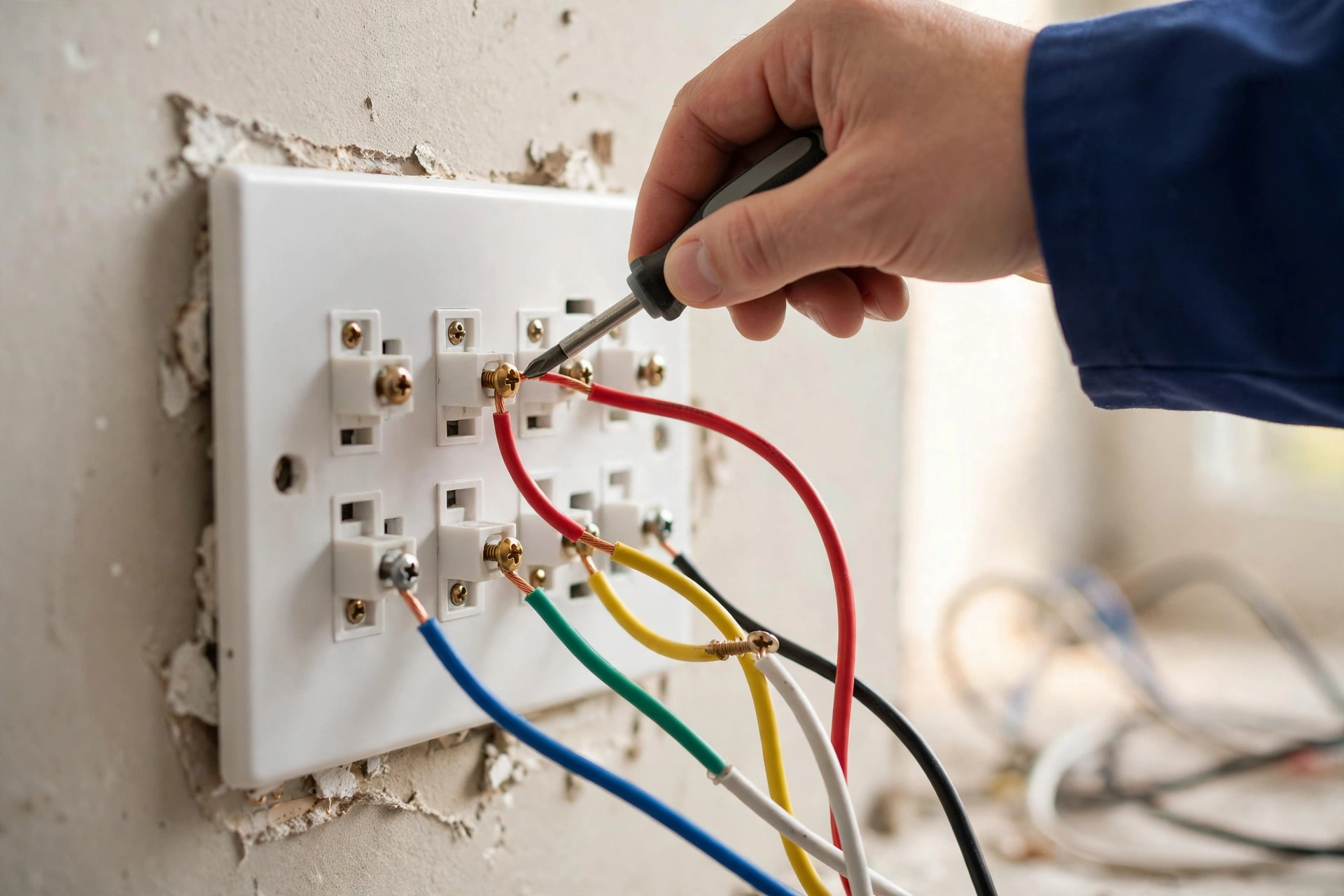
Thermostat wiring faults are common in homes where controls have been swapped over the years, painted around, or disturbed during other work. A nicked wire in the wall, a loose terminal, or a missing common wire on a modern thermostat can cause intermittent heat that is maddening to live with. We trace the circuit, repair connections properly, and confirm stable operation rather than twisting wires together and hoping the fault stays away through a Prince William County winter. Wire condition inside the wall matters as much as the visible thermostat, since splices and damaged sections create faults that appear and vanish with temperature or vibration. Where a wire problem is suspected, we test continuity rather than guessing. A solid circuit today prevents the mysterious repeat failure that erodes confidence in the whole heating system next month.
Sensor accuracy matters just as much as wiring. A thermostat mounted above a supply register, beside a drafty door, or in direct sun will misread the home and cycle the furnace at the wrong times. We check placement effects during the visit and explain simple corrections. Where the thermostat itself has failed, replacement options are discussed plainly, including programmable and smart models, with honest guidance about wiring compatibility and what features actually help your household. Modern controls offer features like adaptive recovery, which starts heat early so rooms arrive at temperature when the schedule says, not after. Set up wrong, that same feature looks like the furnace running at odd hours. We explain which features are active on your control and why, so the display stops being a source of household debate.
Many thermostat visits end with an upgrade, because the old control has failed or cannot support the way the household actually lives. Programmable schedules suit regular work and school routines common across Manassas, while smart thermostats add remote adjustment that helps when weather shifts during the day. The key is correct setup: system type, fuel configuration, and cycle settings must match the furnace, or even a premium thermostat will produce poor heating behavior. Placement problems can sometimes be solved without new wiring by using a compatible remote sensor arrangement where the equipment supports it. That option suits homes where the hallway reading badly misrepresents living spaces. We discuss feasibility honestly, since not every furnace and control pairing supports sensors, and forcing technology rarely ends in comfortable rooms.
We install and configure the control, connect it to the furnace, and test heating cycles together with you. You learn how to set schedules, use hold functions sensibly, and read what the display is telling you. We also explain filter reminders and basic troubleshooting, so small issues do not become no heat calls. The goal is a control you trust, set up for Northern Virginia heating patterns rather than left on factory defaults. Before the visit ends, we cycle the system together, watch the furnace respond to a raised setting, and confirm it shuts down cleanly at temperature. You see the repair proven rather than promised. We also leave the old settings noted where practical, so returning to a schedule you liked remains possible after any control change at home.
When the display shows a heat call but the furnace stays silent, the signal may not be reaching the equipment. A loose wire, a failed thermostat relay, or a tripped furnace safety that removed power can all interrupt the message. The thermostat believes it is calling, yet the inducer motor never starts and no ignition sequence begins at the furnace. A thermostat mounted on an exterior wall can read the wall temperature as much as the room air, especially during windy cold weather in Northern Virginia. That hidden influence explains settings that feel right one day and wrong the next.
Sometimes the delay is normal and sometimes it is not. Many controls build in a short wait between cycles to protect equipment, which can look like a fault if you are watching closely. A delay that stretches on, repeats often, or comes with a blanking display points instead to power or wiring trouble that needs testing at both ends of the circuit. Renovations often bury thermostat problems, like wires nicked by drywall screws or controls relocated without checking the heating configuration afterward. If faults began right after other work in the home, mention that timing.
Check that the furnace switch is on and the panel door is seated, since a loose door can cut power. If the system still does not respond, note what the display shows and call (703) 962-7410. That detail helps separate a wall control fault from a furnace side problem before the visit even begins. Households with very different schedules sometimes fight over one control, and a programmable routine can settle the argument fairly. Set the pattern once, let the system follow it, and use temporary holds sparingly. We can program the routine with you during the visit so the settings reflect real life in your Manassas home.
A single thermostat reads temperature only where it is mounted, usually a hallway, and it cycles the furnace to satisfy that one spot. Rooms with large windows, rooms over garages, and rooms at the end of long duct runs in Manassas homes can lag behind, especially during windy Northern Virginia weather. The thermostat is not broken in this case, it is simply blind to the colder rooms. If the furnace short cycles only at certain times of day, note the pattern, because sun striking the thermostat in the afternoon is a classic local cause.
Other causes are mechanical rather than electronic. Closed or blocked registers, a disconnected duct, or a zone damper that is not opening will starve one area while the rest of the home heats normally. Testing starts with airflow at the vents in the problem room, then moves to duct connections and damper operation if the furnace and thermostat check out correctly. Do not ignore a thermostat that needs frequent battery changes, feels warm to the touch, or shows a display that resets itself. Those are early failure behaviors, and replacing a control during a calm visit beats losing heat interpretation entirely on the coldest night.
Solutions range from simple vent and filter corrections to relocating the thermostat or discussing zoning options where the layout supports it. We explain what your home can realistically achieve and start with the least invasive fix. Honest expectations matter, because a new thermostat alone cannot warm a room its ductwork barely reaches. Finally, label any new control clearly and keep its manual with your furnace records, including the configuration choices made at setup. Future service visits start faster with that information available. It also prevents well meaning adjustments from undoing the settings that made your system behave correctly through the heating season.
Wall control mysteries, sorted out one by one.
Describe what your furnace is doing and we will point you to the right next step.
Call (703) 962-7410If the display is blank, flickering, or clearly misreading the room temperature, the control is suspect. If the thermostat responds normally but the furnace makes unusual sounds or stops mid cycle, the equipment is more likely.
Many do, but wiring is the deciding factor, especially whether a common wire is present to power the thermostat. We check the existing wiring and furnace control before recommending a model. Correct configuration for your fuel and system type matters as much as the hardware itself.
Short cycling can come from thermostat placement near a heat source, a cycle rate set wrong for your system, or a furnace safety like the limit switch reacting to low airflow. Each cause needs a different fix, so the pattern, timing, and temperatures should be checked properly.
Some homeowners do, but wiring mistakes can blow a low voltage fuse, damage controls, or leave the furnace configured incorrectly. Photographing wires helps, yet testing after installation is what proves the setup. If heat behaves oddly after a self install, a professional check is worthwhile.
A blank screen usually means the thermostat has lost power, which can come from dead batteries, a tripped furnace switch, a loose panel door, or a blown low voltage fuse. Start with batteries if your model uses them, then check the furnace switch before assuming the thermostat has failed.
No heat tonight? We find the failed part and get the heat back on, around the clock.
Ignition, burner, and gas control problems found by sequence testing and fixed.
Heat strips, sequencers, and air handler faults diagnosed and repaired.
A full seasonal tune-up that keeps heat steady and catches wear early.
Stop guessing which one failed. A short sequence of checks settles it.
Call (703) 962-7410