
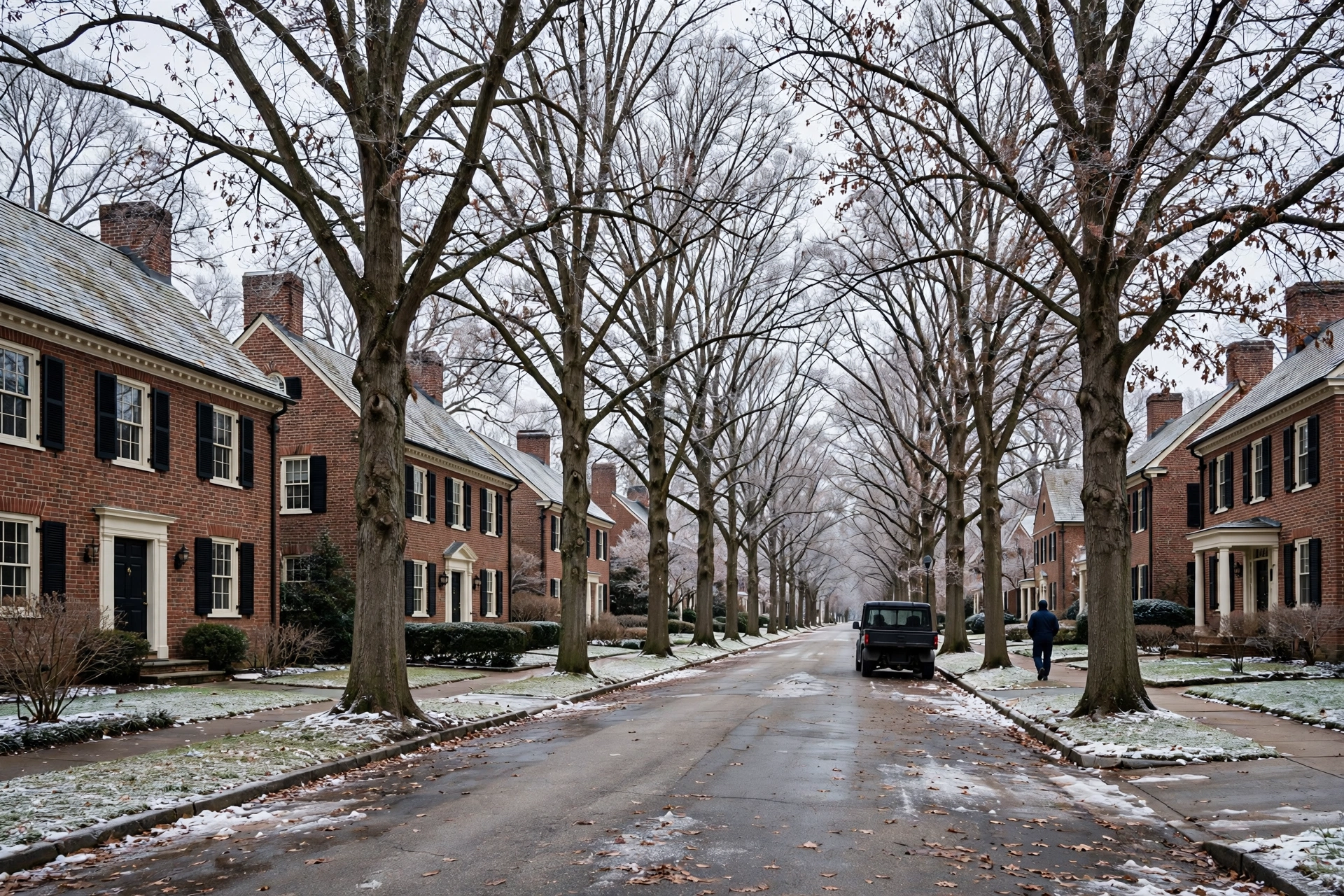
Furnace Service in the Heart of Old Town Fairfax
Old Town Fairfax gives this independent city a true historic center, with brick sidewalks, longtime local shops, and homes that have stood through more than a century of Virginia winters. Fairfax City governs itself separately from the county around it, and its neighborhoods carry a settled, established character that shows in the housing. Furnaces here serve colonials on quiet streets, older homes near the courthouse area, and renovated houses where each decade added a room or a system. Our work begins by understanding that layered history in each home. A one size diagnosis rarely fits a city built in so many eras.
Residents of Fairfax tend to stay in their homes a long time, which means furnaces are often maintained, replaced, and maintained again across many seasons of ownership. Records may exist for one system and vanish for the next, and equipment ages can differ between a main house and its additions. We sort through that history with the homeowner, matching serial plates, venting, and duct changes to the symptoms reported. That patient start prevents the classic mistake of blaming a new part for an old layout problem. Fairfax homes reward technicians who look at the whole house before reaching for tools.
Mantua and Truro Homes With Deep Roots
Mantua and Truro are among the most established neighborhoods serving Fairfax addresses, known for mature trees, generous lots, and homes built largely in the mid century decades. Colonials, split levels, and ranch styles line their curving streets, many updated thoughtfully over the years while keeping their original footprints and character. Their furnaces often sit in basements or utility rooms beside decades of careful homeowner projects and storage. Duct systems may still follow the original plan, even where rooms above them have been remodeled more than once. That gap between old delivery and new living patterns explains many comfort complaints we hear.
The deep tree canopy that makes Mantua and Truro beautiful also shades roofs and walls well into winter, so these homes warm more slowly on sunny days than exposed houses do. Fallen leaves find their way into exterior equipment areas and against vent terminations each autumn, right as heating season begins in earnest. Inside, fireplaces and wood stoves in some homes complicate the picture, warming one room while the thermostat elsewhere calls for heat the furnace struggles to balance. We ask how the household actually uses the house, room by room, during cold weather. Honest answers lead to repairs that match real life, not assumptions.
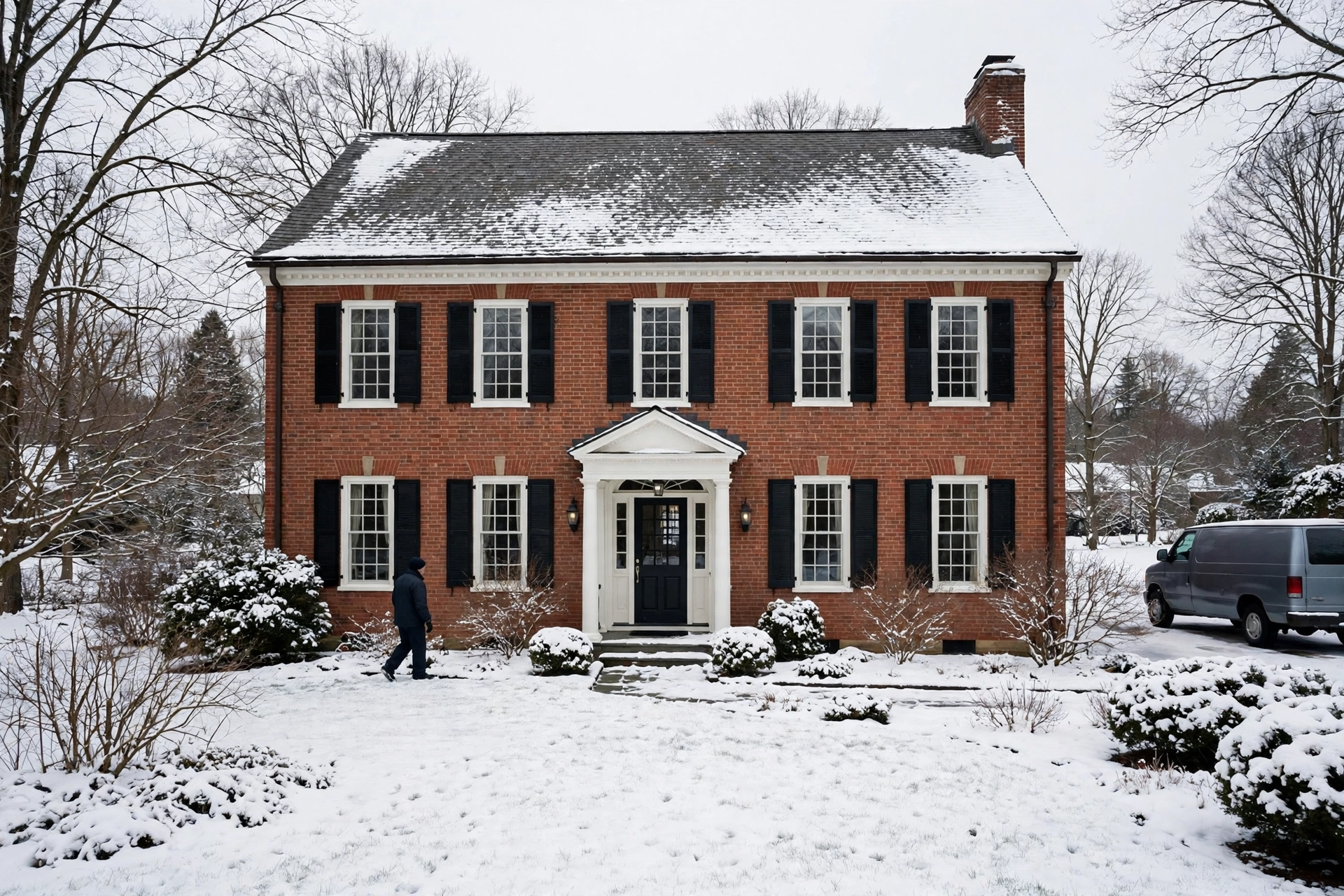
From the Ratcliffe-Allison-Pozer House to George Mason
The Ratcliffe-Allison-Pozer House, preserved as a museum in Old Town, shows how Fairfax families lived long before furnaces, with fireplaces doing the work that ductwork handles today. Across town, George Mason University brings a modern counterpoint, with students, faculty, and staff living in neighborhoods all around the campus edges. Rental homes and shared houses near the university place unusual demands on furnaces, with more occupants, more showers, and doors opening constantly through the day. Each of those patterns changes how hard a heating system works in January. We tailor our questions to the household in front of us.
Landlords and property managers near George Mason call us with a particular concern, keeping student housing warm reliably without constant emergency visits between tenants. Our advice there focuses on the basics done well, fresh filters on a schedule, clear returns, and honest assessments of equipment age before each school year begins. For owner occupied homes near campus, the concerns are the same as anywhere in Fairfax, only with busier streets and tighter scheduling. Either way, the furnace gets the same full sequence testing and the same plain explanation of findings. Good heat should not depend on who owns the house.
Mid Century and Colonial Houses Heat in Layers
A mid century Fairfax home rarely heats as one simple box, because additions, enclosed porches, and finished lower levels were layered onto the original structure over time. The furnace may be new while the duct branch serving a 1970s addition remains undersized, leaky, or simply too long for strong delivery. Colonials add their own pattern, with upstairs bedrooms warming differently from the main level as heat rises through open stairwells. Homeowners often blame the furnace for what is really a distribution story written by the house itself. Our job is to separate equipment faults from layout quirks, then fix what is actually broken.
Insulation tells a similar layered story in these homes, strong in renovated sections and thin in original walls that were never opened during any remodel. A furnace serving both zones works against two different houses at once, cycling to satisfy a thermostat that only samples one of them. Sealing obvious drafts around attic hatches, older windows, and exterior doors reduces that strain more than most people expect. During service, we note where the house itself is fighting the equipment, and we share those observations plainly. Homeowners deserve to know when a small building fix will outperform a large equipment change.
January in an Independent City Surrounded by County
Fairfax City winters carry the full Northern Virginia pattern, with January cold snaps that push overnight temperatures deep into the teens and wind that finds every older window in Old Town. Nor'easters tracking up the coast can drop heavy, wet snow here, weighing down vent caps and piling against foundation walls where exhaust pipes terminate. Freeze and thaw then alternate for days, melting by afternoon and locking up again by nightfall across the city. Furnaces run their longest, hardest cycles of the year during exactly those weeks. Marginal systems that limped through December usually choose January to stop altogether.
The city mature tree canopy adds a local twist, because ice laden branches bring occasional power interruptions to Fairfax neighborhoods during the worst storms of the season. A furnace cannot run without electricity, whatever its fuel, and repeated hard restarts after outages stress control boards and igniters over time. After power returns, let the system complete a normal startup and watch one full cycle before assuming something broke during the outage. If it fails to start, trips repeatedly, or shows an error code, that is the moment to call for service. Forcing repeated restarts rarely helps and can deepen an electrical fault.
Why Fairfax Furnaces Short Cycle on Cold Nights
Short cycling, where a furnace starts, runs a few minutes, and stops again before the house warms, is one of the most common complaints we investigate in Fairfax homes. The causes range from a clogged filter overheating the system to a flame sensor that loses its signal or a thermostat placed where drafts confuse its reading. In older colonials, an oversized replacement furnace can also short cycle, heating its immediate air so fast that safety limits trip before distant rooms receive anything. Each cause demands a different fix, which is why guessing wastes both time and parts. Sequence testing identifies the real trigger in a single visit.
Left alone, short cycling wears a furnace faster than steady operation ever would, multiplying igniter use, motor starts, and thermal stress on the heat exchanger with every hour. It also leaves the house in an uncomfortable rhythm, warm near the thermostat and chilly in the rooms where the family actually spends its evenings. Fairfax homeowners sometimes live with the pattern for a whole season, assuming old houses simply heat that way in winter. They do not have to, and most short cycling traces back to a correctable fault we can demonstrate during testing. Call while the pattern is fresh, and describe it in detail.
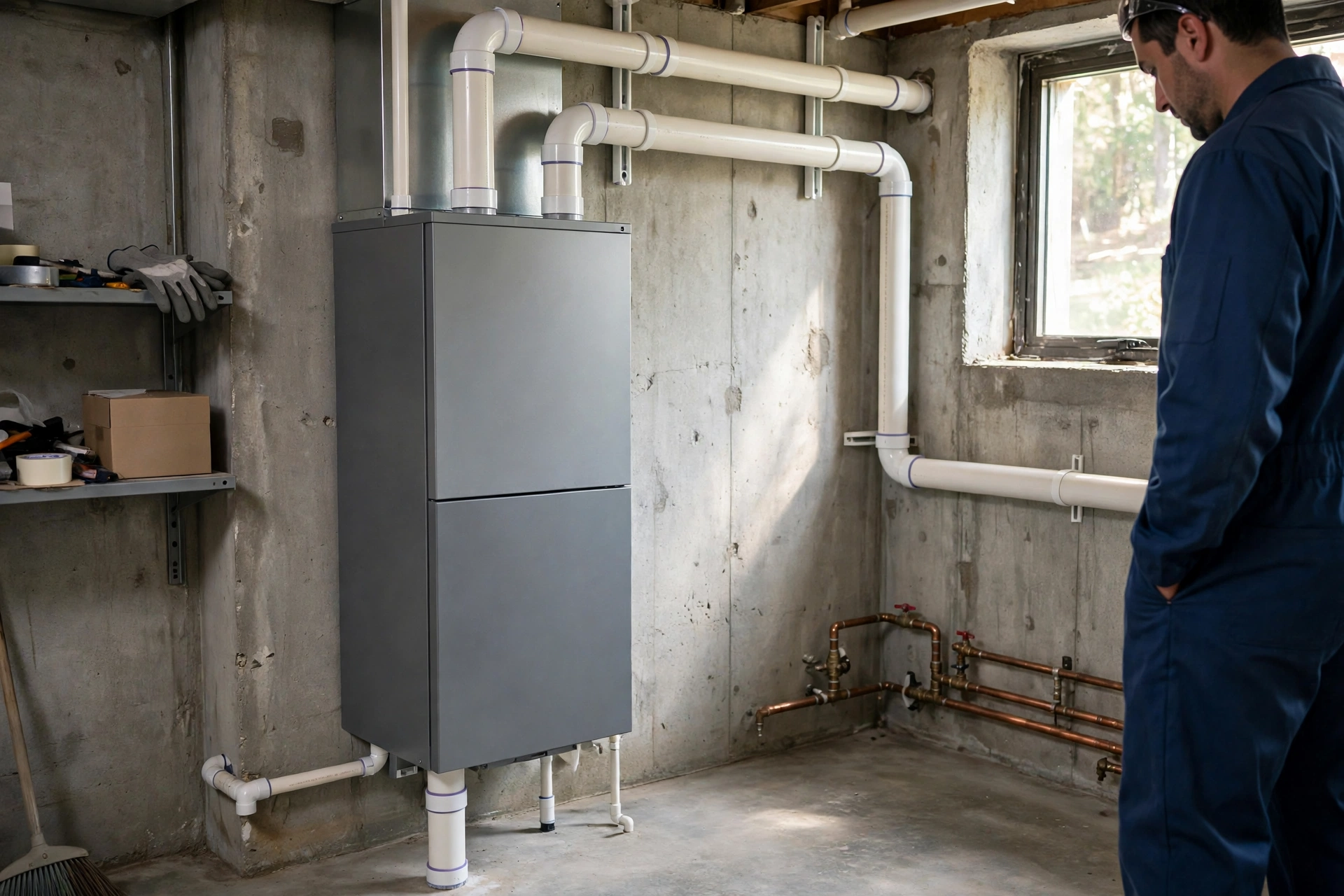
Warning Signs Inside Older Fairfax Homes
Older Fairfax homes communicate furnace trouble through the house itself, in floors that stay cold, walls that feel drafty near outlets, and registers that blow weakly on the far side of the plan. A burner that lights with a delay and a soft thump, soot marks near the furnace door, or a pilot of unusual color on older equipment all call for prompt professional attention. Water pooling beneath a high efficiency unit points to a condensate problem that will eventually stop the system entirely. None of these signs are items to watch for another month. In a house with decades of history, small warnings deserve early respect.
Safety deserves plain words in any discussion of older heating equipment, especially where systems have served through many owners and many winters of Fairfax weather. A cracked heat exchanger can allow combustion gases into the air the household breathes, which is why age and condition checks matter more than comfort alone. Keep working carbon monoxide alarms on each level of the home and near sleeping areas, and treat any alarm as an emergency, not a nuisance. During our visits, combustion and venting receive the same careful testing as ignition and airflow. A warm house must also be a safe house, every single night.
What Happens During a Fairfax Repair Visit
A Fairfax repair visit with Manassas Furnace Pros starts at the thermostat and ends at the farthest register in the house. We listen first, to your description of the problem and to the furnace as it attempts a full heating cycle in front of us. Testing then follows the working order of the system, thermostat signal, inducer, ignition, flame proof, blower delivery, and safe shutdown at the end. Each step either clears a suspect or identifies the failing part with evidence we can show you directly. You will understand the diagnosis, because we explain it as the testing unfolds step by step.
Before repair work begins, we describe what failed, what the fix involves, and how we will confirm the result once the part is in place. Afterward, the furnace runs through repeated cycles while we check vent temperatures in the rooms that prompted your call, from an Old Town colonial to a Truro split level. We also review filter condition and any maintenance items the season ahead is likely to test next. Questions are welcome at every stage, and honest answers are part of the service itself. The visit ends with a warm house and a clear record of what was done.
Balancing Heat Between Additions and Original Rooms
Many Fairfax comfort calls end with a balancing act rather than a broken part, because the furnace is fine and the air is simply going to the wrong places. Dampers set decades ago, registers closed in unused rooms, and returns blocked by bookcases all steer heat away from the spaces a family uses most. We adjust delivery room by room during service, checking that closing one path does not starve the blower or overheat the system. Small changes here can transform how a colonial feels on the coldest night of the year. Homeowners are often surprised by how much comfort was available all along.
Where an addition consistently lags behind the original house, we look honestly at whether its duct branch can ever carry enough air as currently built. Sometimes a damper correction and sealed joints close most of the gap between the old rooms and the new one. Other times the branch itself is the limit, and we will explain that plainly along with the practical options available to you. What we will not do is sell a larger furnace to solve a delivery problem it cannot fix by itself. Fairfax homes, with their long and layered histories, deserve diagnosis that respects how they were actually built.
Staying Comfortable Through a Fairfax Freeze
When a hard freeze settles over Fairfax, preparation inside the house matters almost as much as the furnace working beneath it. Open cabinet doors under sinks on exterior walls, keep interior doors ajar for air movement, and hold the thermostat steady instead of swinging it through the day. Check that snow has not buried exterior vents after plows pass along your street, especially on corner lots in Old Town and Truro. These habits protect pipes and help the furnace hold the house evenly through the coldest nights. If heat falters anyway, call (703) 962-7410 and describe what changed.
Manassas Furnace Pros serves Fairfax as part of our regular Northern Virginia routing, bringing stocked trucks and local knowledge of the city housing eras to every call. From Mantua mid century homes to colonials near George Mason University, we diagnose honestly, repair carefully, and test thoroughly before we leave. If your furnace is aging toward replacement, we will tell you what the evidence shows and help you plan on your own timeline. Fairfax households have kept their homes for decades by making sound decisions about them. We aim to make the heating decision one of the easiest ones you face.