Start With A Fall Test Run
Do not let the first freezing night be the first time your furnace runs. On a mild fall day, switch the thermostat to heat, raise the setting, and let the system complete a full cycle. Listen for the normal start up sequence, feel for warm air at several registers, and notice any smells, noises, or shutdowns that seem out of character after a summer of rest.
A test run in October turns surprises into appointments. A furnace that fails in mild weather is an inconvenience. The same failure during the first Northern Virginia cold snap joins a long queue of no heat calls across the region. Manassas homeowners who test early also get a chance to clear the brief dusty smell that comes with first start up while windows can still be opened for fresh air. Run it long enough to warm two or three rooms, not just to hear it start, because some faults only appear ten minutes into a cycle when parts are fully hot and the blower has settled into its normal working speed.
Filters, Vents, And Clear Space
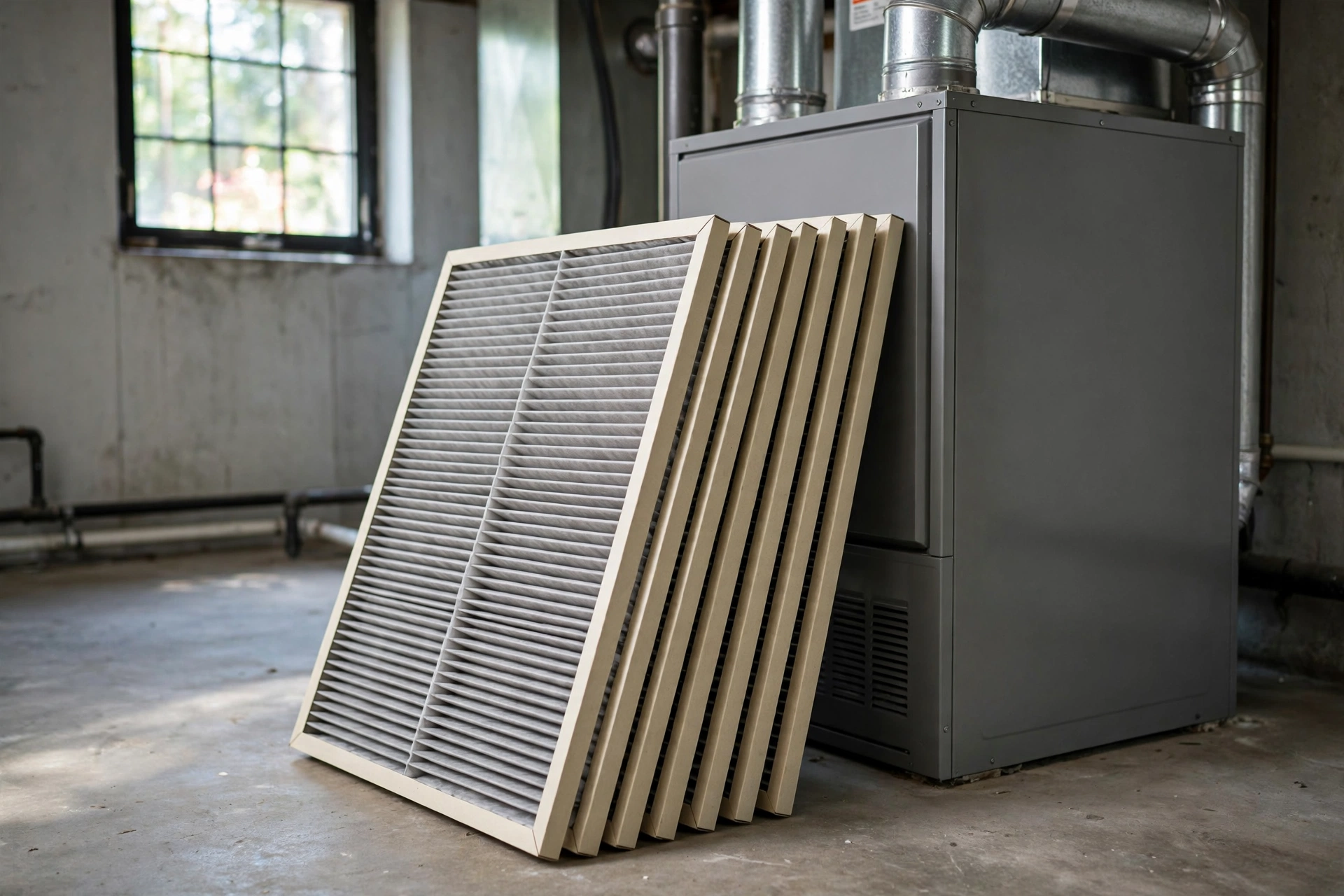
Begin the season with a fresh filter, and write the change date on the frame so the next one is easy to judge. Then walk the house and open every supply vent, move furniture or rugs that block them, and confirm return grilles are clear. Vents closed for summer cooling patterns often stay closed into heating season and quietly strain the system.
Give the furnace itself room to breathe. Clear storage bins, paint cans, and seasonal decorations away from the unit, and keep the area in front of the cabinet open for service access. In many Manassas basements and garages, the furnace corner becomes summer storage. A clear space supports safe operation, better airflow to the return, and a faster visit if a technician needs to work there during the winter. Check the laundry area and any renovation zones with extra care, since lint and drywall dust travel surprisingly far through a house and settle exactly where returns pull air, quietly loading a fresh filter weeks before its change date would suggest.
Thermostat And Program Checks
A winter ready home needs a thermostat that is ready too. Replace the batteries before the season if your model uses them, confirm the clock and schedule match your real routine, and check that the programmed setbacks are reasonable. Deep overnight setbacks can force long recovery runs on the coldest mornings and leave rooms slow to warm before work and school.
Walk through the settings with fresh eyes. Confirm the system mode will be switched to heat, the fan is set to auto for normal operation, and any summer hold or vacation setting is cleared. If your thermostat reports filter reminders or system alerts, turn those features on rather than ignoring them. Small checks like these prevent a surprising share of the no heat calls that turn out to be settings rather than failures in Manassas homes each winter. If anyone in the household works nights or keeps unusual hours, build the program around the real sleep and wake times in the house, because a schedule matched to actual life prevents the manual overrides that slowly turn into permanent settings.
Safety Checks Around The Home
Winter preparation includes the safety devices that watch over the heating season. Test every carbon monoxide detector in the home, check its age, and replace batteries or the unit itself as the manufacturer directs. Detectors belong near sleeping areas and on each level, and they should be in place before the furnace starts running daily.
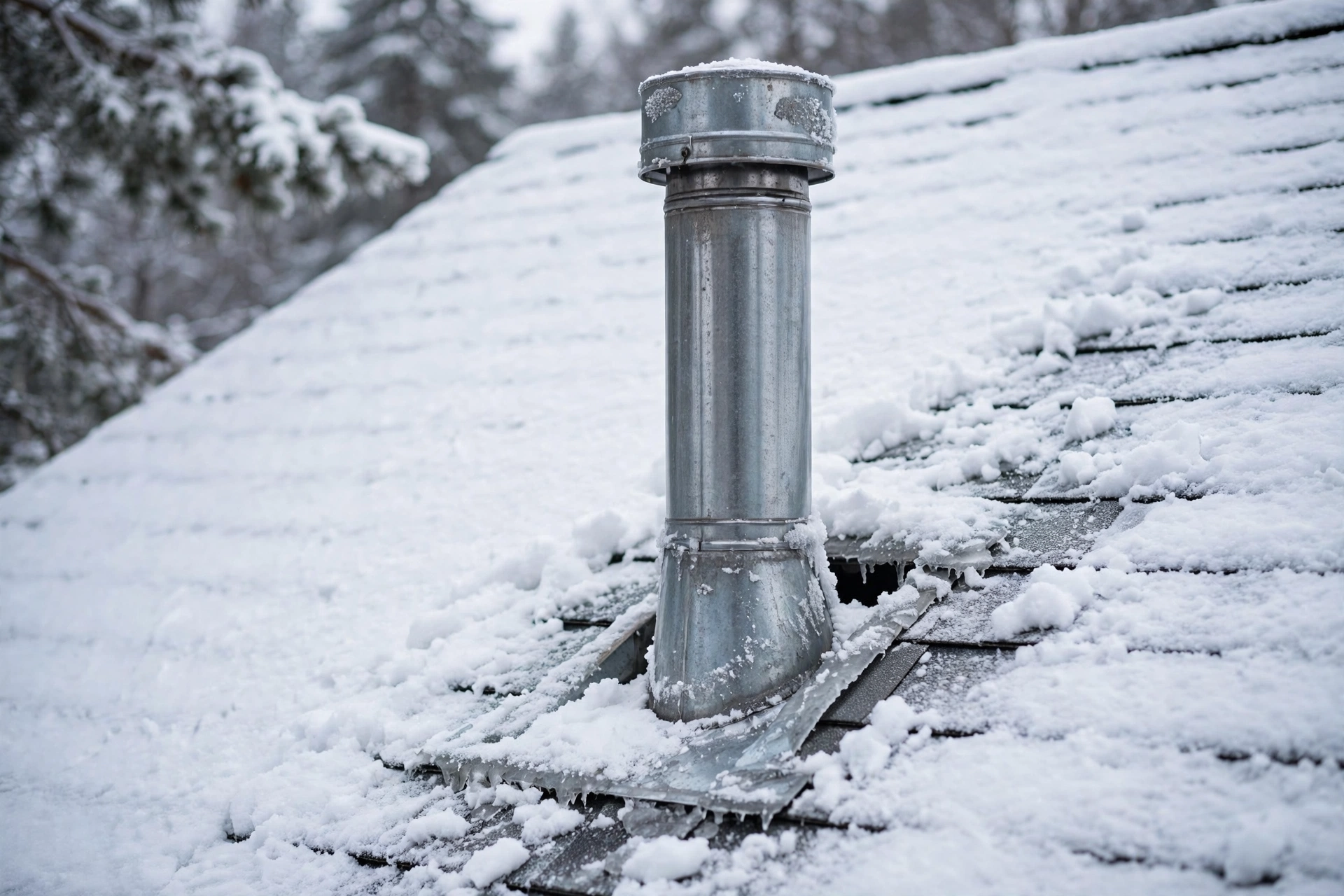
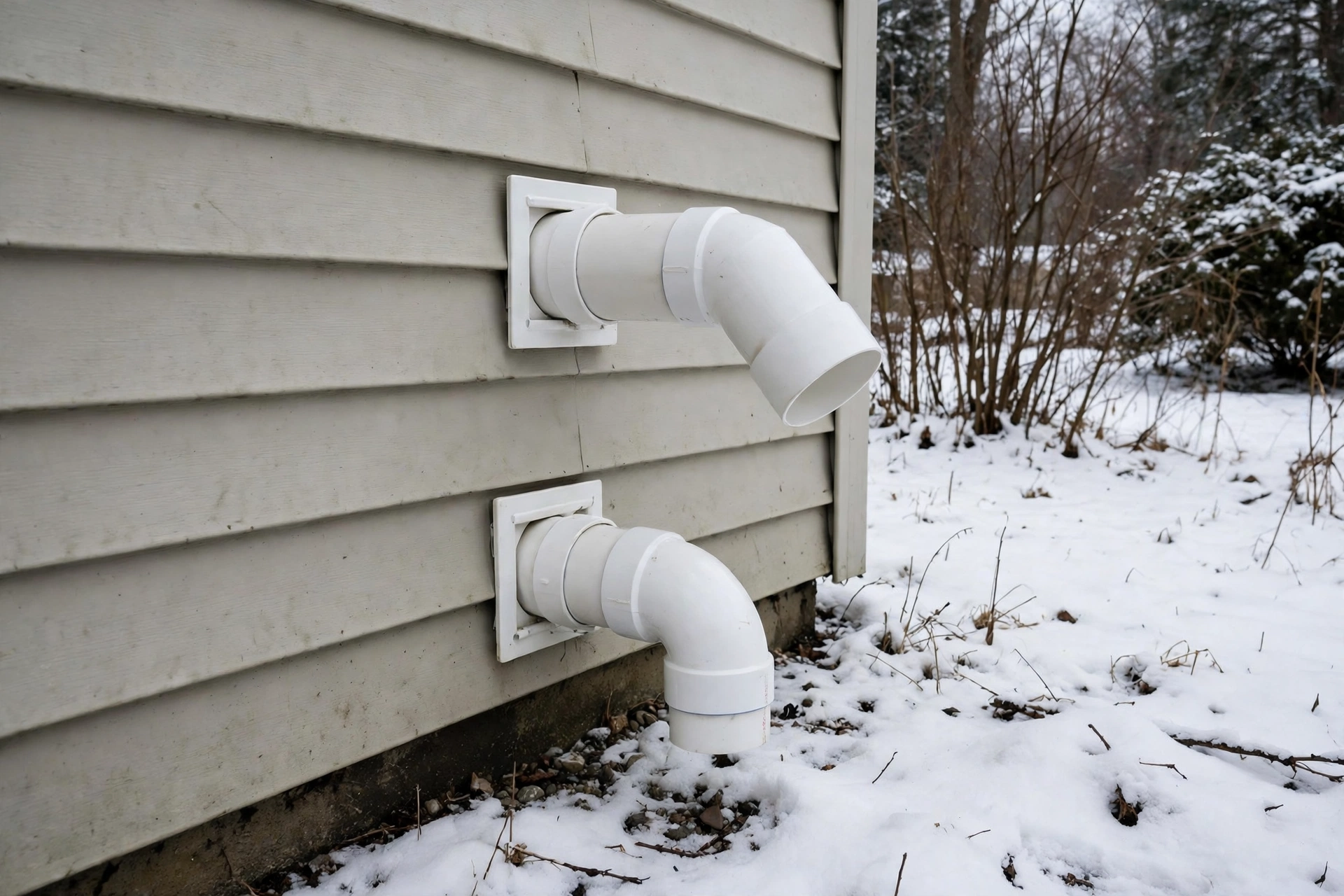
Then look at the furnace venting outside. Find where the exhaust and intake pipes leave the house and confirm they are clear of mulch, stored items, and overgrown shrubs, with room to stay clear when snow piles up. Inside, keep the path to the furnace open and keep flammable storage away from the cabinet. These checks take minutes, cost nothing, and cover the risks that matter most during the months when a Northern Virginia home stays closed up tight. Look at smoke alarms during the same round, since heating season is also the season of closed windows, longer cooking, and fireplaces, and the two kinds of alarms protect against different dangers that tend to arrive in the same cold months.
Schedule The Tune Up Early
A professional tune up ties the whole routine together. The visit typically covers burner and ignition inspection, safety control testing, airflow checks, electrical connections, and a look at parts that wear quietly over a season. Catching a weak igniter or a dirty flame sensor in the fall is a short appointment. Catching the same failure in January is a cold house.
Booking early in Manassas also means better choice of appointment times and room to act on anything the visit turns up, such as a part worth replacing before it fails. Keep the visit report with your filter size and thermostat notes in one place. A simple home record, built one season at a time, makes every future visit faster and helps you spot the year the repair pattern starts to change. Mention any small annoyance when you book, even a rattle that seems minor or a room that never quite catches up, because the tune up visit is the easiest time to investigate little things before they choose a colder day to matter.
Questions About Get Your Furnace Ready for a Northern Vi
When should I do my furnace test run in Northern Virginia?
Pick a mild day in early to mid fall, before the first real cold snap. Run a full heating cycle, check warm air at several registers, and listen for new noises. Testing early leaves time to schedule any repair calmly instead of joining the rush of no heat calls later.
What belongs on a fall furnace preparation checklist?
A fresh filter with the date noted, open and unblocked vents, clear space around the furnace, fresh thermostat batteries, a checked heating schedule, tested carbon monoxide detectors, and clear outdoor vent pipes. Finish by booking a tune up so burners, ignition, and safety controls are inspected before winter use begins.
Why do heating programs need checking before winter?
Schedules set for summer or vacation can leave the house cold at the wrong hours, and deep overnight setbacks force long recovery runs on cold mornings. Reviewing the program, clearing old holds, and confirming heat mode and fan settings prevents no heat calls caused by simple setting problems.
Should outdoor furnace vent pipes be checked before snow?
Yes. Intake and exhaust pipes need to stay clear of mulch, stored items, shrubs, and later, piled or drifted snow. A blocked vent can shut a high efficiency furnace down or create unsafe operation. A quick look in the fall, and another after heavy snow, keeps the system breathing properly.