When The Burners Never Light
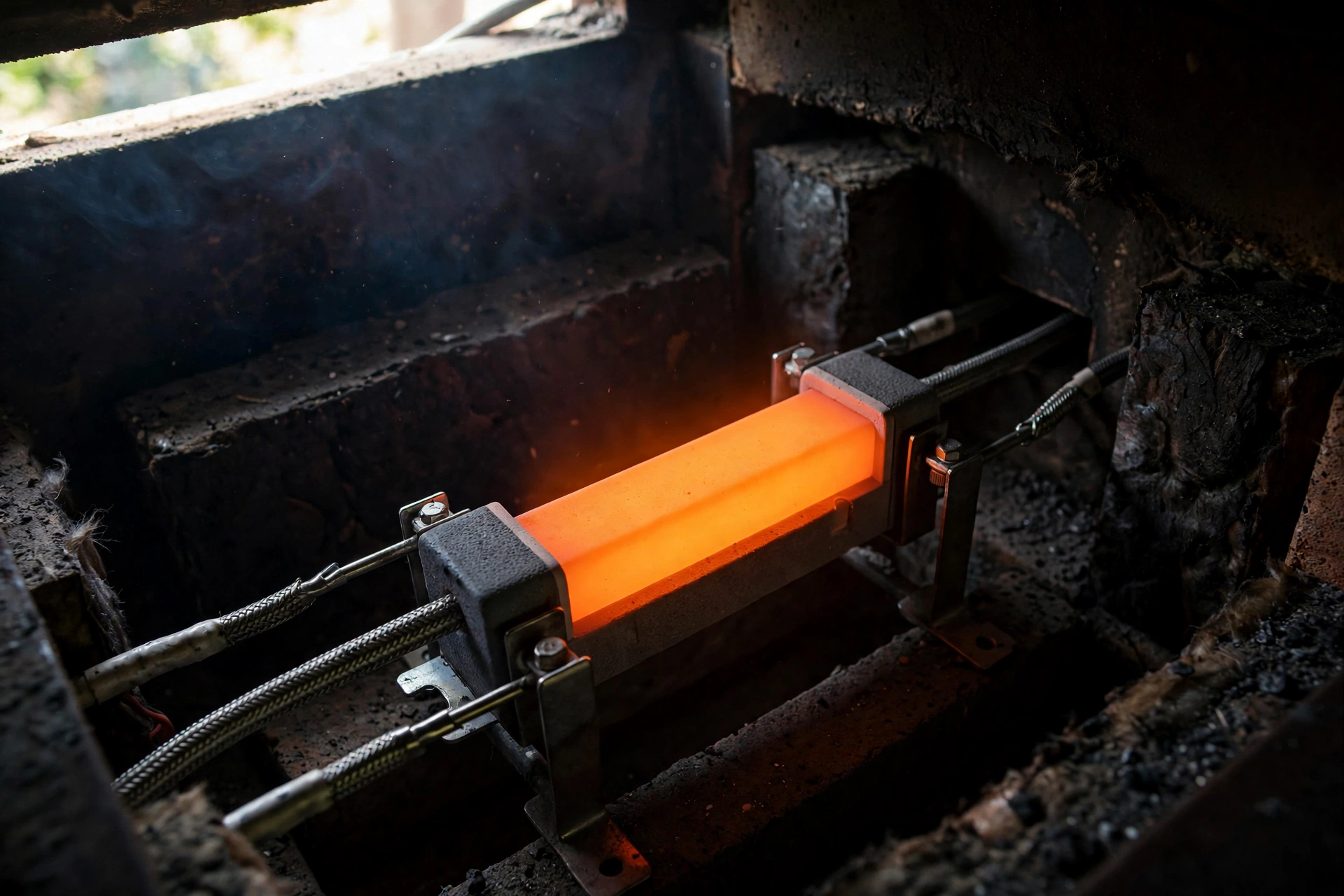
Cold air from the vents often means the blower is running but the burners never lit. The start up sequence should bring on a small inducer motor, then an igniter glows or sparks, then the gas valve opens and flames appear. If any step fails, the control board stops the sequence and the blower may keep moving unheated air through the ducts.
Common causes include a worn hot surface igniter, a dirty flame sensor, or a pressure switch that will not close because a vent pipe or drain is blocked. From the register, all of these feel the same: steady air with no warmth. Note whether you hear clicking, whether the air ever warms briefly, and whether the furnace retries and fails again. Those details separate an ignition fault from an airflow fault far better than simply saying the heat is out. A furnace that retries several times and then locks out is protecting itself, and that lockout message is worth leaving in place for the technician to read, rather than clearing it with repeated resets before anyone can see the code.
Overheating And The Limit Switch
A furnace can also light correctly and still blow cold air a few minutes later. When airflow is too weak, heat builds up inside the cabinet until a limit switch opens and shuts the burners down for safety. The blower keeps running to cool the unit, which is why the vents turn cold while the system still sounds busy.
Restricted filters, closed vents, blocked returns, and a failing blower can all trigger that pattern. The cycle often repeats: warm air, then cold air, then a pause, then another try. Running the furnace this way stresses parts and leaves rooms unevenly heated on the coldest Northern Virginia nights. If you replace a clogged filter and the pattern continues, the limit may be weak, the blower may be underperforming, or the duct system may be too restricted, and each of those needs testing. Temperature rise is one of the measurements that confirms this problem, since air moving too slowly across a hot exchanger comes out far hotter than the design range while the rooms themselves somehow still feel underheated and drafty at the same time.
Fan Settings That Fool Homeowners
Sometimes the furnace is fine and the thermostat is simply running the fan on its own. If the fan setting is on rather than auto, the blower circulates air between heating cycles, and that air feels cool because the burners are off. The same thing happens during a fan only call for air circulation or when a program runs the fan on a schedule.
Check the fan setting first, then confirm the mode is heat and the set point is above room temperature. In homes around Manassas with newer thermostats, a ventilation or circulate mode can also move air at low speed for long stretches. That is normal operation, not a failure. The giveaway is timing: if the air warms reliably during a heating call and only feels cool between cycles, the setting is likely the whole story and no repair is needed. Smart thermostats add one more wrinkle here, because some models run the fan briefly after a cycle to use leftover heat, which is a planned feature that can look like a malfunction until you know the setting exists in the menu.
Duct Problems Behind Cool Air
Not every cold air complaint starts at the furnace. A disconnected, crushed, or badly leaking duct run can deliver lukewarm air to one room while the rest of the house heats normally. Long runs through a cold attic or crawl space lose heat on the way, and a return leak can pull in chilly air from unconditioned spaces and dilute the supply air.
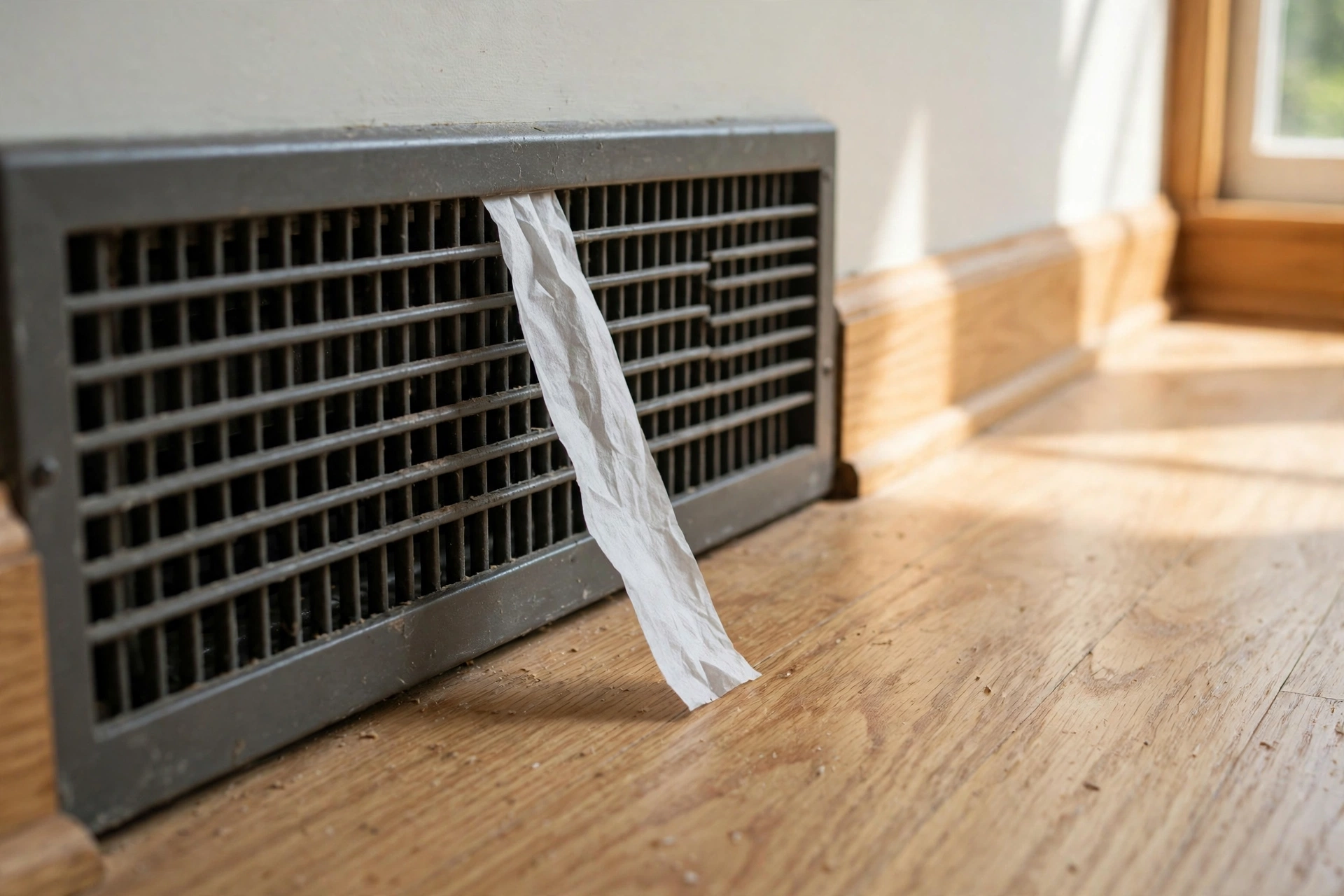
Compare rooms before you assume the furnace is at fault. If one bedroom over a garage in a Manassas split level is always cold while nearby rooms are comfortable, suspect the duct path, insulation, or a closed damper. If every vent blows cold at once, suspect the furnace. That whole house versus single room distinction is one of the most useful clues you can report, because it points the inspection toward the equipment or toward the ductwork from the start. Registers tell the story quickly if you use the back of your hand at each one in turn, moving from the room nearest the furnace to the farthest, and noting exactly where the warmth fades along the run of the house.
What A Proper Diagnosis Checks
A careful diagnosis follows the sequence instead of swapping parts on a hunch. The technician confirms the thermostat call, watches the start up order, tests ignition and flame sensing, measures temperature rise across the furnace, and checks airflow and safety switches. Each result either clears a stage or isolates the one that is failing, so the repair addresses the cause.
That order matters because causes overlap. A dirty flame sensor and a blocked vent pipe can both stop the burners, but they need very different fixes. Guessing can leave you with a new part and the same cold vents. If your Manassas furnace blows cold air after a filter change and a thermostat check, further answers will come from measurements, not from more resets, and that is the right time to bring in help. Bring the technician the timeline as well as the symptom, including when the cold air started, whether it followed a filter change or a power outage, and whether any rooms stayed warm while the rest of the house fell behind.
Questions About Why Is My Furnace Blowing Cold Air
Why does my furnace blow warm air and then cold air?
That pattern often means the burners light, the furnace overheats from weak airflow, and a limit switch shuts the heat off while the blower keeps cooling the cabinet. Check the filter and vents first. If the cycle repeats, the blower, limit, or duct restriction needs testing by a technician.
Can a thermostat setting make the air feel cold?
Yes. With the fan set to on instead of auto, the blower runs between heating cycles and moves unheated air through the vents. Circulate and ventilation modes do the same at low speed. Switch the fan to auto and confirm the mode is heat before assuming the furnace has failed.
Why is only one room getting cold air from its vent?
A single cold room usually points to a duct issue, such as a closed damper, a disconnected or leaking run, or heat loss through an attic or garage ceiling. If the rest of the house heats well, the furnace is probably fine and the duct path needs inspection.
Should I keep running a furnace that blows cold air?
Brief testing while you check the thermostat and filter is fine. Running it for hours in a failed cycle wastes energy and can stress the blower and controls. If the air stays cold after those checks, turn the system off and schedule a diagnosis rather than letting it cycle.