
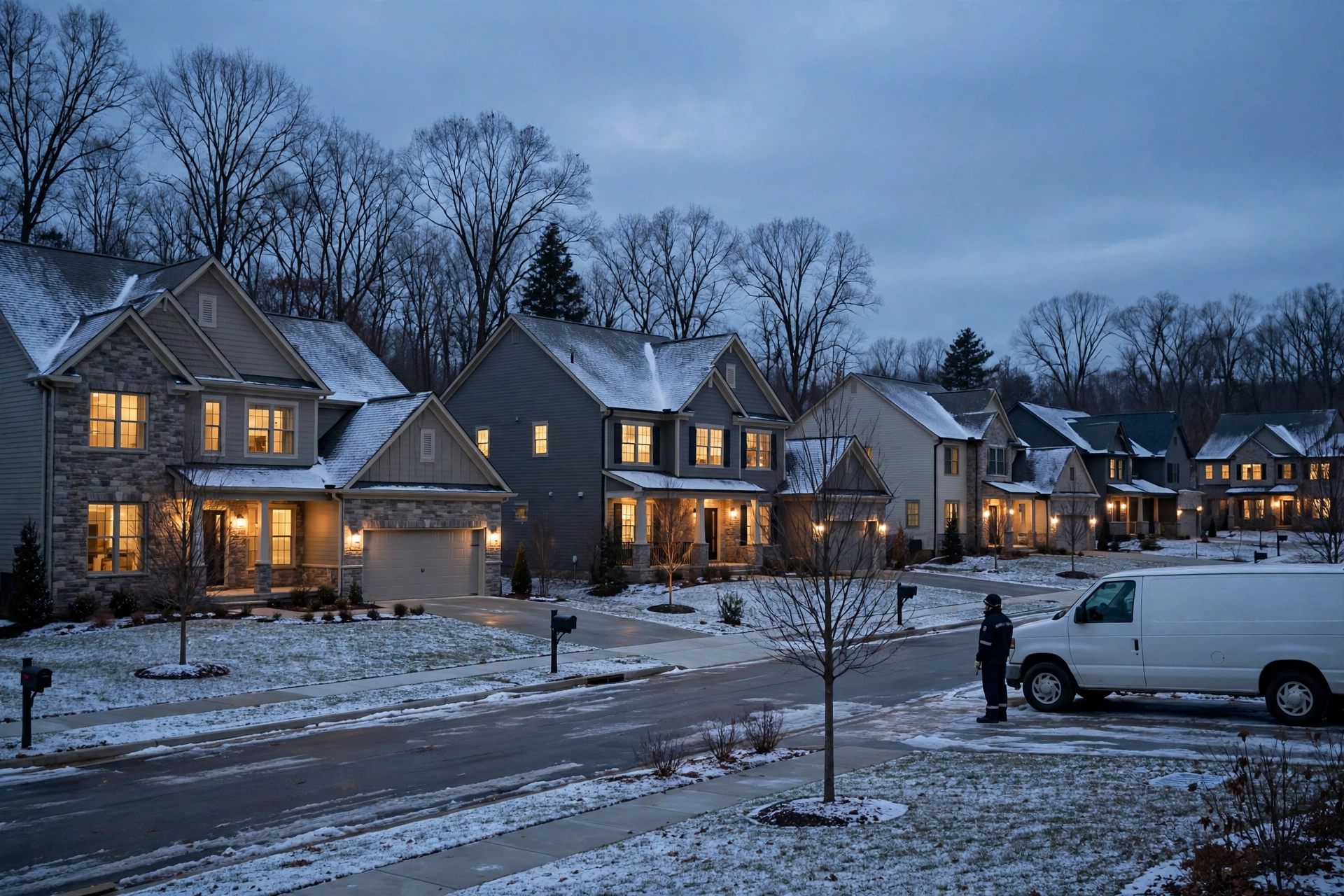
Furnace Service Built for Gainesville Growth
Gainesville has grown quickly, with large subdivisions, wide roads and homes that are bigger than the older houses found in many nearby towns. Bigger homes place bigger demands on a furnace, especially when high ceilings, open stairwells and finished basements all need heat at once. Our service in Gainesville starts with the whole picture: the size of the home, the layout of the duct system and the way your family actually uses each floor during a cold week in the middle of winter. Local experience with homes like yours guides every step that follows here.
We also know that a Gainesville call can involve more than one system. Many houses here are zoned, with one furnace serving the main level and another handling bedrooms or a lower level. When one zone fails, the other may mask the problem for a day or two. We test each system on its own terms, confirm which thermostat controls which area and make sure a repair in one zone does not hide a developing fault in the other. That thorough approach saves repeat visits later. From Piedmont fairways to the newest streets at the edge of town, that whole home view keeps a large house from being treated like a small one.
Two System Homes in Piedmont and Beyond
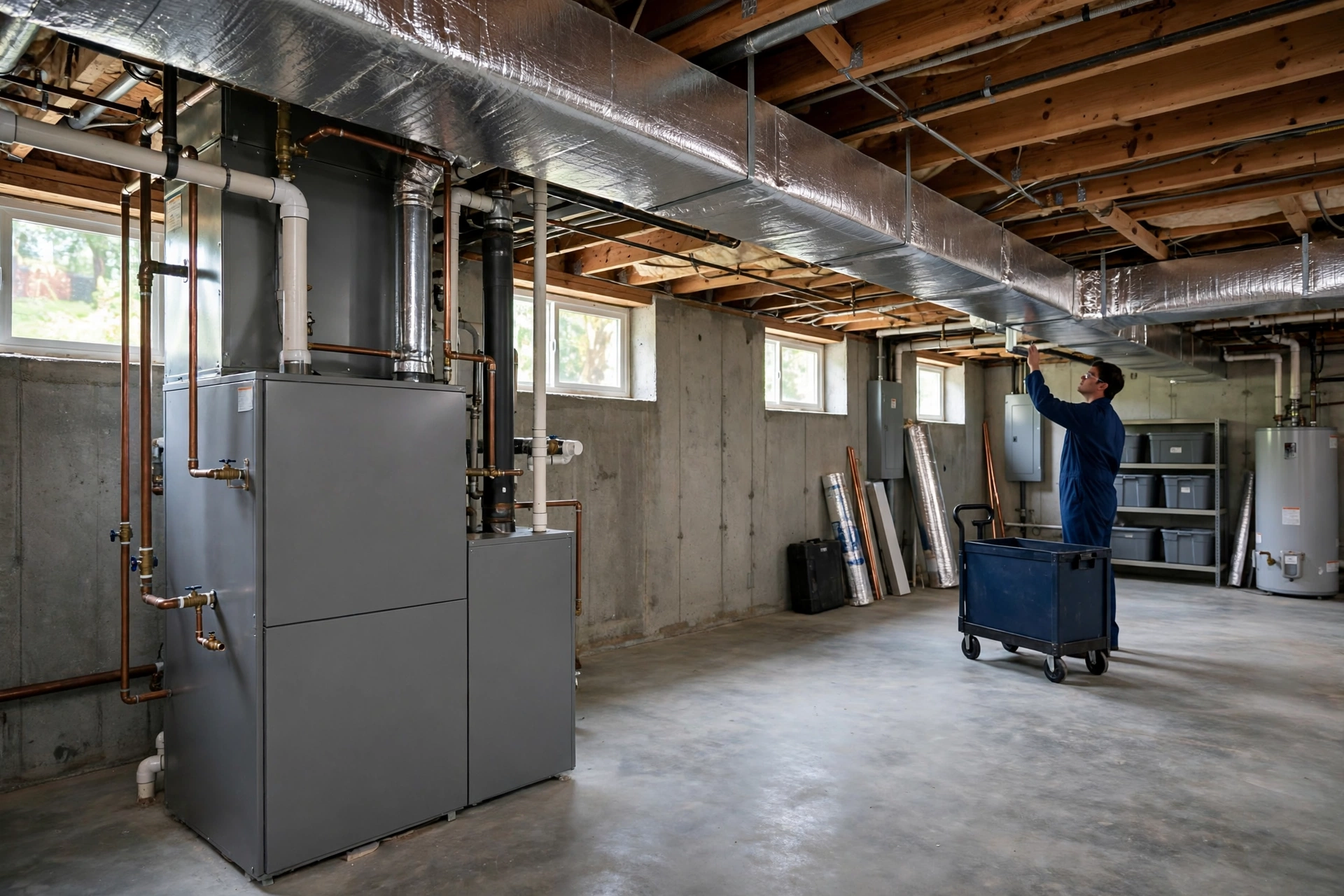
The golf community of Piedmont and other large Gainesville neighborhoods include many zoned two system homes. Two furnaces can deliver excellent comfort, but they also double the parts that need attention: two igniters, two blowers, two sets of controls and often two thermostats that must agree with their zones. A fault in a damper motor or zone board can feel like a furnace failure even when the furnace itself is fine. We test the zone controls alongside the heating equipment so the diagnosis covers the full path. That local pattern is something our technicians see and test for often.
When one level heats and the other does not, we resist the urge to guess. We swap through thermostat calls, listen for damper movement and check temperatures in each zone as the system runs. Sometimes the fix is a furnace part, and sometimes it is a control that was sending heat to the wrong floor. Gainesville homeowners deserve that distinction explained clearly, because it changes both the repair and the cost of parts involved. We show you where the failure sits before any work begins in earnest. We label what we find for each zone as we go, so there is never confusion about which furnace serves the bedrooms and which serves downstairs.
Open Lot Wind Chill Near Conway Robinson State Forest
Homes near Conway Robinson State Forest and the open lots on the edge of Gainesville feel winter wind in a direct way. Without dense tree cover or older neighborhoods to break it, cold air presses on windows, doors and exposed walls for hours. Furnaces in those homes run longer cycles on windy nights, and a marginal part often chooses that night to fail. If your system struggles only when the wind rises, that pattern itself is useful information, and we will ask about it when you call. Cold weather in Northern Virginia makes that difference impossible to ignore.
Nor easters bring a different test, with steady cold and damp air that keeps furnaces cycling for days. During those stretches, condensate drains, vent pipes and pressure switches all work under constant demand. We check those parts carefully on Gainesville winter visits, because a drain that is slow on a mild day can shut a high efficiency furnace down during a storm. A careful check now is far easier than a no heat call when roads are slick and every heating company in the county is busy. A home facing open ground near the state forest deserves that extra check, because wind exposure changes how hard a furnace must work after dark falls.
Heritage Hunt Comfort for Active Adult Living
Heritage Hunt, the active adult community in Gainesville, has its own comfort priorities. Many residents spend more hours at home during the day, host visiting family and value a house that stays at one steady temperature without fuss. A furnace that short cycles or leaves a reading room chilly is more than a minor annoyance in that setting. We take the time to understand which rooms matter most, check the system against those needs and explain any repair in unhurried, plain language. Homeowners notice the change first in the rooms they use every day.
We also pay attention to noise in Heritage Hunt homes. A blower that hums through a wall or a furnace that bangs on startup can disturb a quiet house, especially one level living where the unit sits close to bedrooms. Noise often points to a specific cause, such as a loose panel, a worn motor or delayed ignition. We track the sound to its source, address the underlying issue and confirm the system runs more quietly through a full cycle before we leave your home. Residents who are home through the day notice small changes first, and those observations often lead us straight to the part that is beginning to fail.
Large Home Furnace Sizing and Airflow Balance
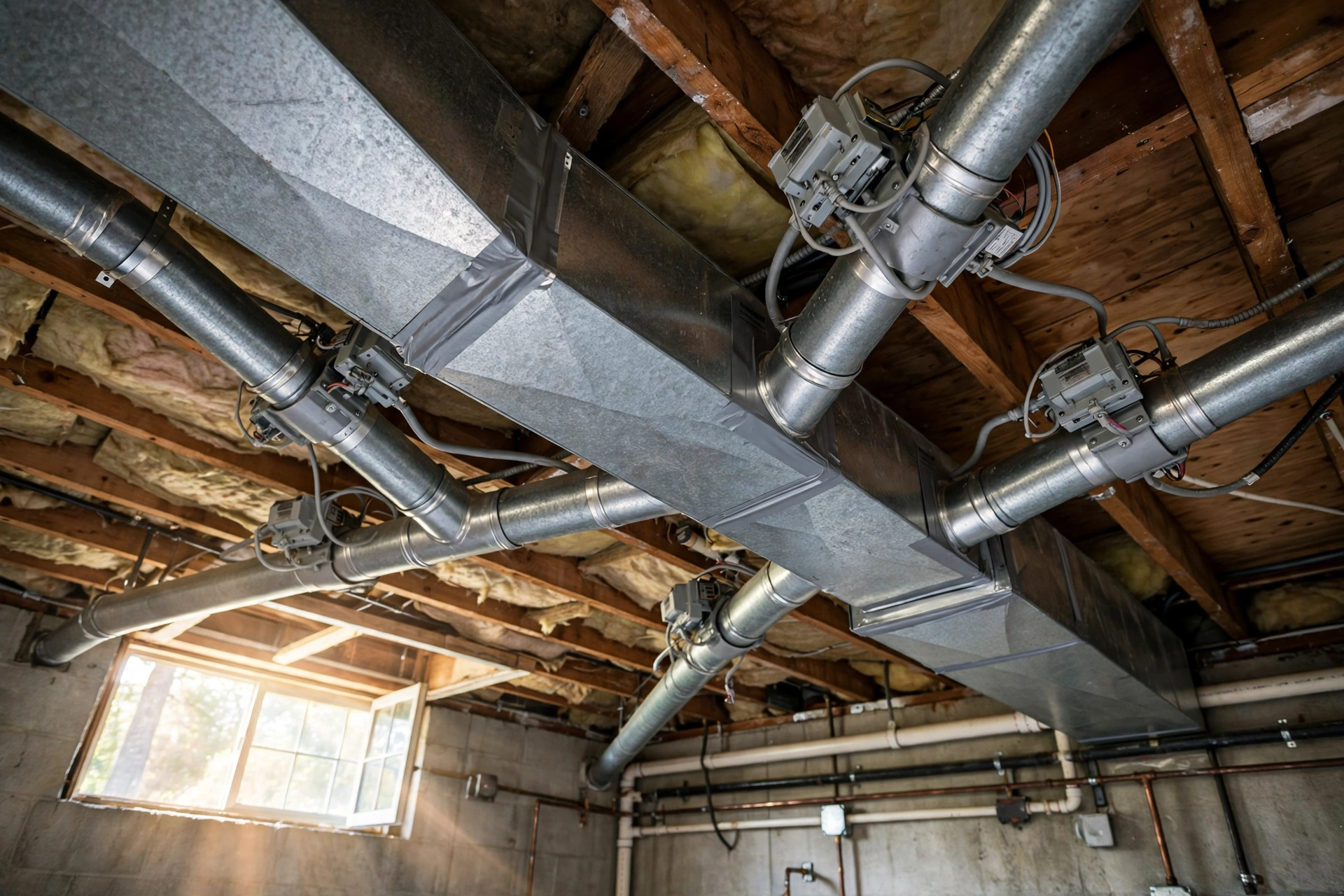
In a large Gainesville home, the furnace is only part of the comfort equation. Ducts must carry warm air to distant bedrooms, bonus rooms and finished lower levels without losing it along the way. If a far room always lags, the cause may be a long duct run, a partially closed damper or a return that is too small for the space. We look at sizing and airflow together, because replacing a furnace part will not fix a room that was never receiving enough air in the first place. Age and layout together explain more than either one would on its own.
Airflow balance also protects the furnace itself. Restricted returns force the blower to work harder, raise internal temperatures and shorten the life of motors and controls. During a Gainesville visit, we check filter sizing, return grilles and blower settings against the demands of the house. When we find a restriction, we explain whether it is a quick correction or a duct change worth planning. Balanced air means steadier rooms, quieter operation and a furnace that is not straining every time the thermostat calls for heat. We record blower settings after any adjustment, so a future visit can compare performance instead of starting the airflow conversation from the beginning once again.
Seasonal Checks Before the First Hard Freeze
The best time to find a weak igniter in Gainesville is before the first hard freeze, not during it. A seasonal check lets us test ignition, clean the flame sensor, inspect the blower and confirm safety controls while the stakes are still low. Homes built in the 2000s are now old enough that original parts are wearing in waves, and a fall visit often catches the next failure while it is still a plan instead of an emergency on a Sunday night in January. A complete check looks beyond the first fault to the whole system.
Our seasonal visit also covers the details homeowners cannot easily see. We look at vent connections, condensate routing, electrical terminals and the condition of the filter rack. We run the furnace through a complete cycle and note how it sounds at startup and shutdown. You receive a clear summary of what is healthy, what we serviced and what deserves watching. For a two system Gainesville home, that summary covers both units, so you know exactly where each one stands heading into winter. For homes with two systems, we alternate the test cycles, giving each furnace a full run while the other rests, exactly as they work in winter.
Common Repairs in 2000s Gainesville Subdivisions
Gainesville subdivisions built in the 2000s share a generation of furnace technology, and we see their parts age on a similar schedule. Hot surface igniters grow brittle, flame sensors collect buildup, inducer motors develop bearing noise and control boards begin to fail in intermittent ways. Intermittent faults are the hardest for homeowners to describe, because the heat may work at breakfast and stop by dinner. We use the pattern you noticed, plus error codes stored by the board, to narrow the search with evidence. The right tool and the right test make that call with confidence.
Once we identify the failing part, we check the parts around it before finishing. A new igniter will not last if a burner problem keeps overheating it, and a new sensor will foul again if combustion is dirty. That wider check is what separates a lasting repair from a repeat call a month later. We test the repaired furnace through several cycles, confirm temperatures at registers across the home and make sure both zones, where fitted, respond as they should. That wider check takes only a little longer, yet it is often the difference between one visit that solves the problem and two visits that chase it.
Carbon Monoxide Awareness for Gainesville Families
Any gas furnace deserves respect for carbon monoxide safety, and large Gainesville homes are no exception. A cracked heat exchanger, blocked vent or poor combustion can allow dangerous gases to enter living spaces. Warning signs include soot near the furnace, a flame that burns yellow and lazy, frequent headaches at home that ease outdoors and, most importantly, a sounding carbon monoxide alarm. Treat an alarm as an emergency: leave the house, then call for help from outside before anyone returns inside. Small signs, taken seriously, protect the whole house through the season.
During every Gainesville repair, we inspect the heat exchanger visually where accessible, check venting and test combustion related safeties. We also recommend working detectors on each level and near sleeping areas, tested on a regular schedule. If we ever find a condition that makes a furnace unsafe to run, we will explain it clearly and shut the system down until it can be made safe. Heat matters, but no repair goal outweighs the safety of the people sleeping under your roof. We are glad to talk through detector placement during a visit, since a well placed alarm protects the rooms where your family actually sleeps each night.
Prompt Winter Response in Gainesville
When heat fails in Gainesville, a prompt response starts with a useful first call. Tell us which floor is cold, what the thermostat shows, whether the furnace makes any sound and whether the other zone, if you have one, still works. Those details help us prepare and can sometimes point to a simple reset or filter issue we can talk through safely. If a visit is needed, you will know what to expect before we arrive, including how we will approach the diagnosis. Timing matters most when the temperature outside keeps falling after dark.
On site, we work in a steady order so nothing important is skipped under time pressure. Safety checks come first, then ignition, airflow and controls, followed by the repair and a full test cycle. If a part must be obtained, we explain the timeline plainly and discuss how to keep the rest of the house comfortable in the meantime. Gainesville families planning around school, work and community activities need honest timing, and we treat that as part of the service, not an extra. Clear timing also helps when a community event or school night is ahead, because a family can plan around a visit instead of waiting and wondering.
Lower Strain With Steady Furnace Maintenance
Steady maintenance lowers the strain on every part of a Gainesville furnace. Clean sensors light more reliably, a clean blower moves air with less effort and tight electrical connections resist the intermittent faults that are so hard to trace. Maintenance also gives us a baseline for your system. When we know how your furnace sounded and performed in the fall, a change in January tells a clearer story. That history helps two system homes most of all, because each unit can be compared against its own record. Steady care keeps that performance going from one winter to the next.
Homeowners can support that work with a few simple habits. Replace filters on the schedule your system needs, keep the area around each furnace clear, and note when a room starts lagging or a new noise appears. Small observations, shared early, often lead us straight to a developing fault. Combined with regular professional checks, those habits help a Gainesville furnace handle long nor easter weeks and sharp cold snaps without the drama of a sudden, complete loss of heat. Those notes become more valuable each season, building a picture of how your Gainesville systems age and which parts deserve attention before they interrupt winter.