
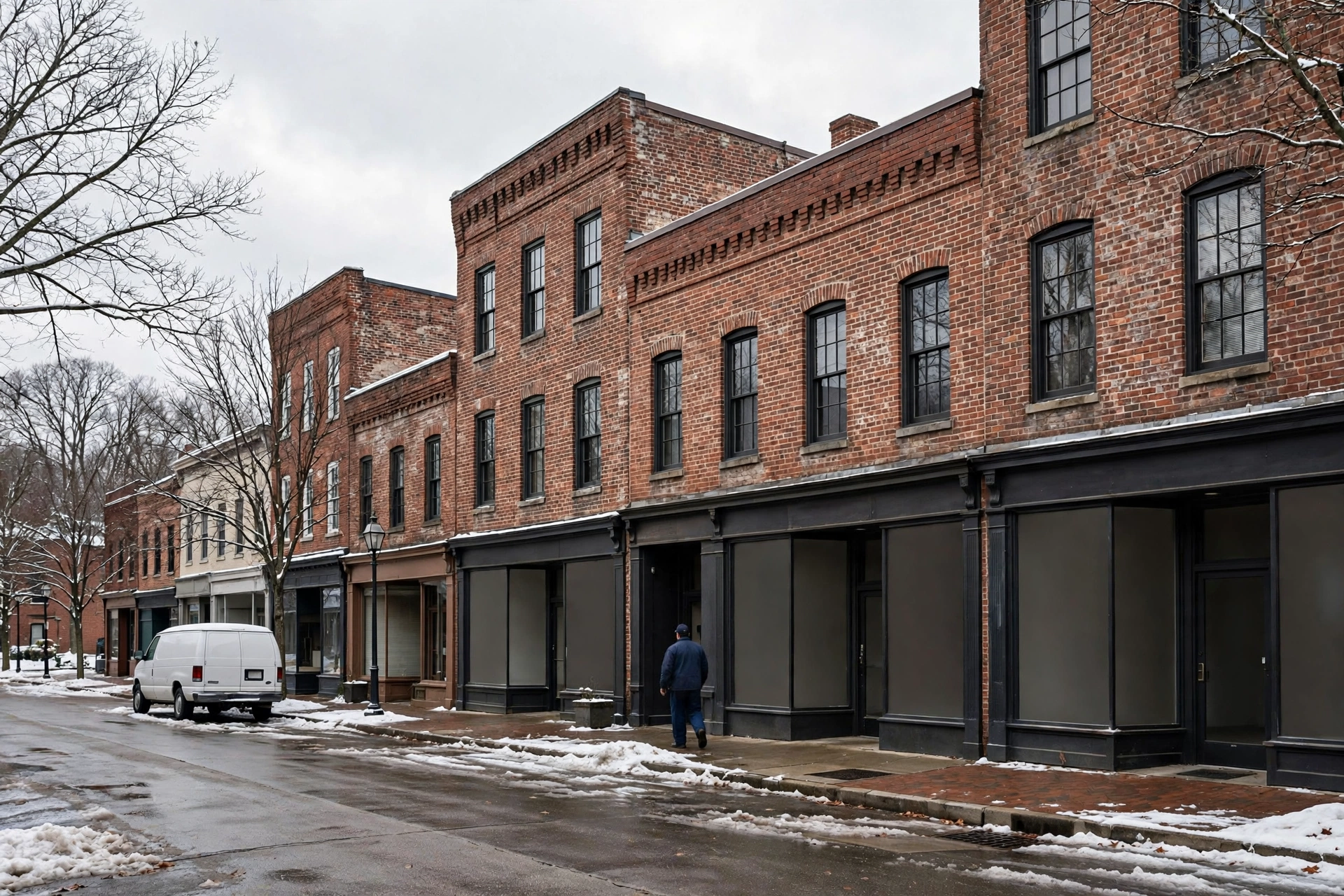
Where Washington Street Meets New Subdivisions
Haymarket packs two very different towns into one small place, and both need reliable heat when winter settles in hard. Along historic Washington Street, older houses stand close to the road, with brick, wood siding, and front porches that have seen generations of cold seasons. A few streets away, newer subdivisions spread toward open land, with larger homes, finished basements, and heating systems sized for modern family life. Our repair work moves between both worlds every week. Knowing which kind of house we are entering shapes the diagnosis from the very first question we ask.
That mix is part of daily life here, where a school run might pass a nineteenth century home before reaching a cul de sac built in the 2000s. Furnaces in the older homes often sit in basements or crawl spaces reached by narrow stairs and low doors. Systems in newer homes usually live in garages, attics, or neat utility rooms with better access and tighter ductwork. Each layout changes how air moves, how filters load, and how quickly a small fault becomes a cold house. We plan for those differences before we arrive, not after.
Bull Run Views and Cold Air Rolling Downhill
From many Haymarket yards, the Bull Run Mountains fill the western view, and that high ground shapes winter weather more than most people realize. Cold air slides down from the ridge on clear nights and pools in the lower streets, so homes here can feel colder than places just a few miles east. A furnace that seems fine during a mild afternoon may fall behind once that downhill chill arrives after dark. Bedrooms on the western side of a house often show the problem first. We hear that exact pattern from Haymarket callers all winter long.
Wind funnels through the gaps in the ridge as well, pushing against exposed walls and finding every weak seal around doors and attic hatches. During a January cold snap, that steady pressure forces a heating system to run longer cycles with fewer breaks between them. Longer cycles are not harmful by themselves, but they expose worn igniters, tired blower motors, and dirty flame sensors much faster. A system with a hidden weakness rarely survives a full week of that weather without complaint. Early service, before the coldest stretch, is the simplest protection a Haymarket household can arrange.
Inside Dominion Valley and Greenhill Crossing Homes
Dominion Valley Country Club anchors the largest community in Haymarket, with golf course streets, a wide range of house sizes, and many homes built during the 2000s building wave. Greenhill Crossing offers a similar era of construction, with open floor plans, high ceilings, and two story entry halls that look beautiful and heat unevenly. Warm air rises into those tall spaces while bedrooms over garages stay stubbornly cool on windy nights. When residents call about uneven heat, the furnace is only part of the story. Duct layout, damper settings, and return air paths all deserve a careful look.
Most furnaces in these subdivisions are now old enough to show their first major wear, even though the houses still feel new to their owners. Capacitors weaken, igniters crack, and control boards develop faults that appear only on the coldest mornings of the year. Because many of these homes use zoned systems, one zone can fail while the rest of the house stays comfortable, which confuses the first round of troubleshooting. Tell us which rooms changed, which thermostat controls them, and when the change began. That detail shortens the visit and points the repair in the right direction immediately.
Historic Houses Near St. Paul's Episcopal Church
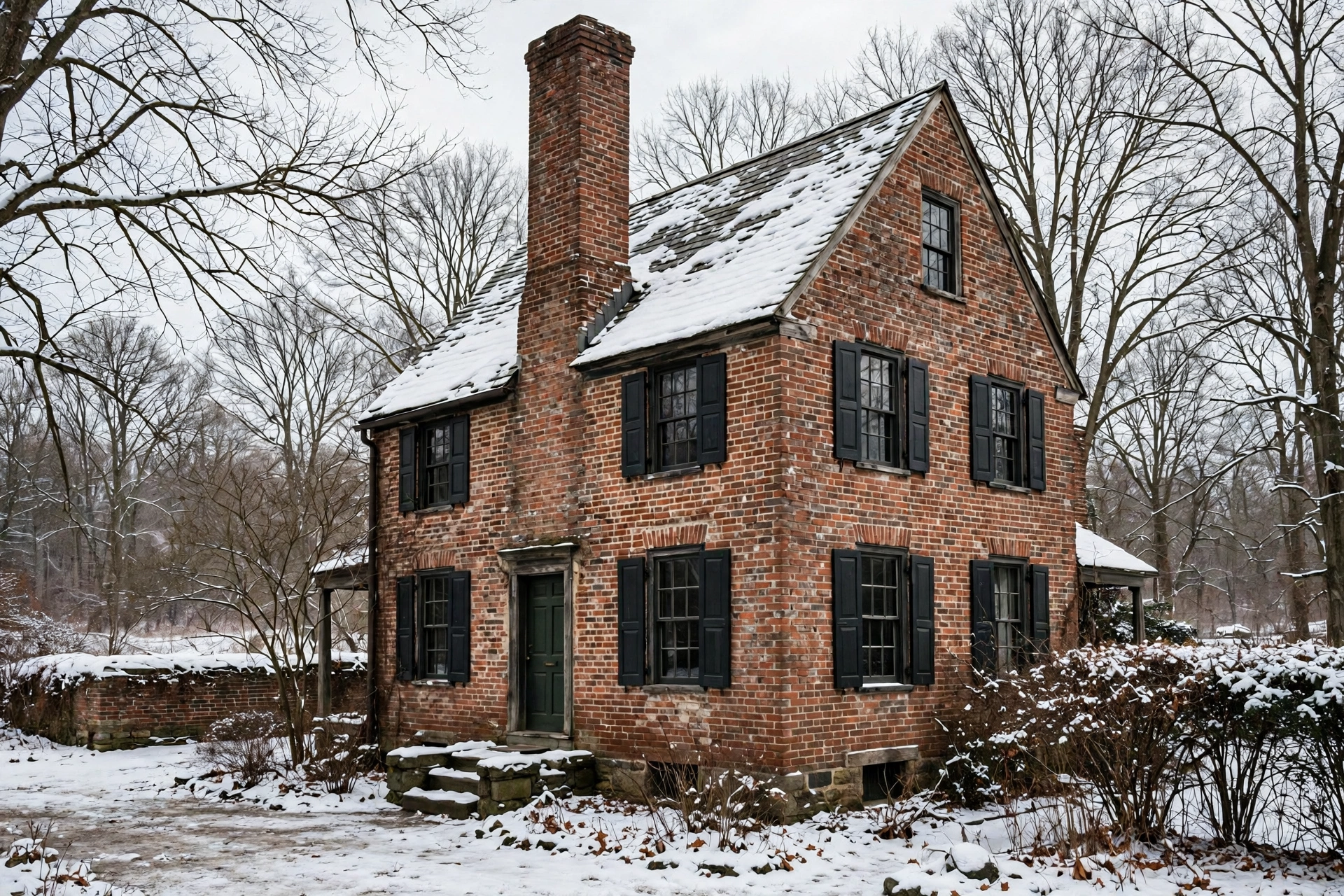
St. Paul's Episcopal Church has watched over Haymarket since the 1800s, and the homes around it carry that same long memory in their walls. Some began as modest farmhouses or town houses long before central heating existed, and their furnaces arrived through decades of additions and conversions. Ductwork in these homes often bends around chimneys, beams, and rooms that were never drawn on any heating plan. A repair visit here is part diagnosis and part detective work, tracing how each generation changed the system. We take that history seriously, because the oldest detail in the basement often explains the newest symptom upstairs.
Older Haymarket homes also lose heat in ways newer houses rarely do, through single pane windows, uninsulated wall cavities, and attic floors covered long ago. Their furnaces work harder to hold the same temperature, cycle after cycle, through every cold night of the season. That extra workload is not a reason to panic, but it is a reason to keep filters fresh and schedule service before small faults grow. When we work in a historic home, we protect floors, trim, and finishes as carefully as we repair the equipment itself. Character like this deserves both warmth and respect.
What January Cold Snaps Do to Haymarket Furnaces
January in Haymarket rarely arrives gently, and the coldest snaps usually follow a thaw that left everyone thinking winter might soften early. Freeze and thaw cycles stress a furnace in a particular rhythm, running it hard for days, easing off, then demanding full output again overnight. Metal expands and contracts with each swing, and marginal parts that survived December often give up during that second deep push. Condensate lines on high efficiency systems can freeze where they pass through unheated spaces. Garages, crawl spaces, and exterior walls are the first places we check when a system stops after a bitter night.
Homeowners can soften that strain with a few steady habits through the coldest weeks of the Haymarket winter each year. Keep the thermostat at a consistent setting instead of chasing big swings, because deep setbacks force long recovery runs that punish weak components. Replace a loaded filter before the snap arrives, not during it, so airflow stays strong when the furnace needs it most. Keep snow and ice clear of exterior vents after every storm passes through town. If the system starts making new noises during a snap, call then rather than waiting for a complete failure.
Signs Your Haymarket Furnace Needs Attention Soon
A furnace usually warns before it quits, and Haymarket homeowners who catch those warnings early rarely face a freezing house at midnight. Listen for a blower that hums before it starts, a burner that lights and drops out after a few seconds, or a rumble that was never part of the normal startup sound. Watch for rooms that drift further from the thermostat setting each week, especially rooms over garages or at the far end of long duct runs. A heating bill that climbs while the weather stays ordinary also deserves a closer look. None of these signs fix themselves with time.
Smells and sounds at the vents tell their own story in homes from Dominion Valley to the oldest streets near the town center. A dusty burning smell should fade within the first cycles of the season, while a sharp or sour odor that keeps returning needs professional attention promptly. Clicking that repeats without ignition, followed by the blower pushing cold air, points toward an ignition fault rather than a thermostat problem. Tell us exactly what you heard, what the thermostat showed, and how long the pattern lasted before you called. Those observations, shared clearly, help us arrive with the right parts and a focused plan.
How a Repair Visit Works From Call to Warmth
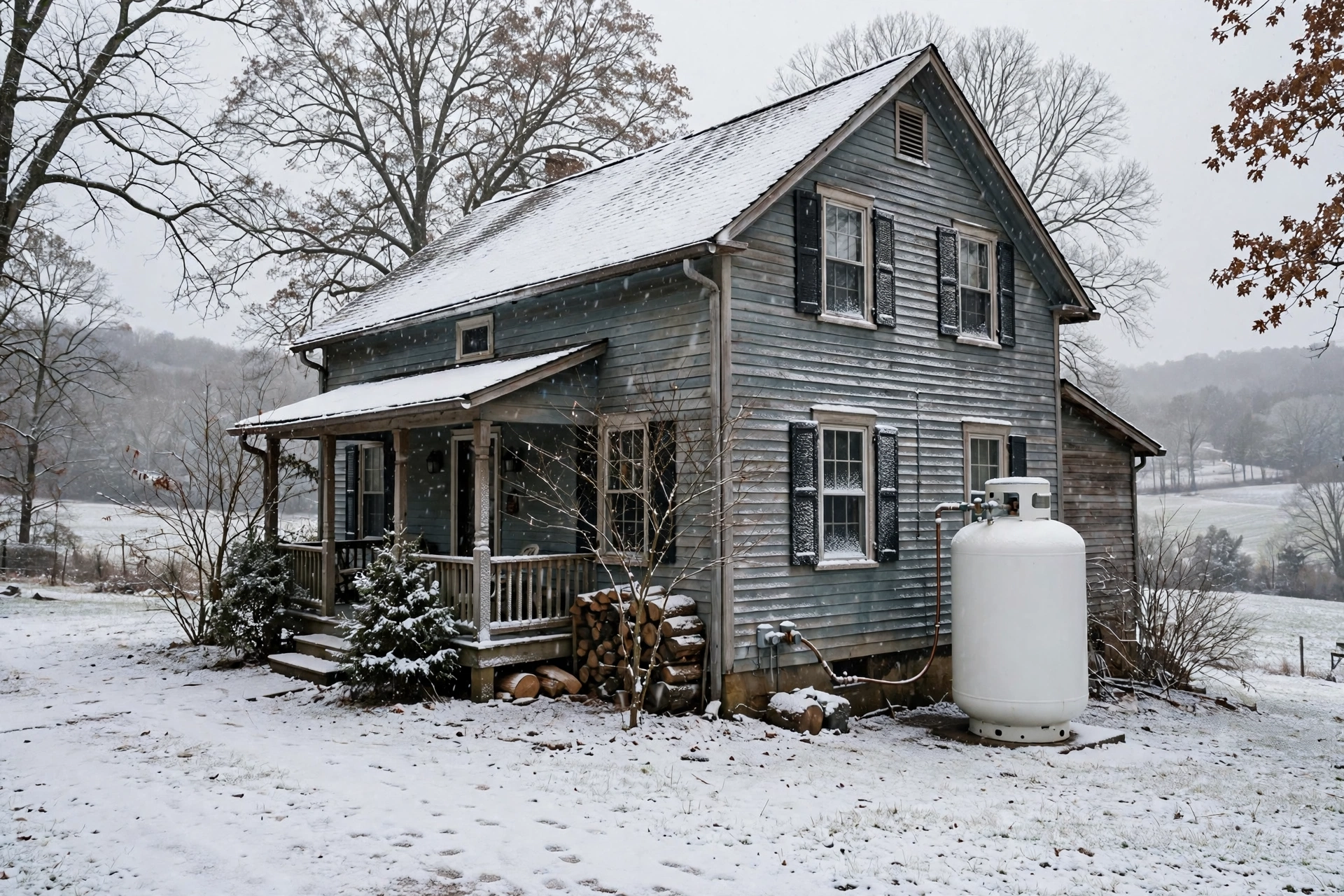
When you call Manassas Furnace Pros about a Haymarket home, we start with questions that actually matter for the visit ahead. We ask about the age of the system, the fuel it uses, the sounds it made, and whether any room stayed warm while others cooled. You receive a clear arrival window and a call when the technician is on the way, so the day does not disappear into waiting. At the door, we walk through the symptoms with you before touching the equipment. Then the testing begins, step by step, in the order the furnace itself works.
Diagnosis follows the heating sequence, from thermostat call through ignition, flame sensing, blower operation, and safe shutdown at the end of the cycle. Each stage either passes or points to the part that needs repair, and we explain the finding before any work begins beyond testing. You hear what failed, why it likely failed, and what the repair involves, in plain language without pressure or jargon. Once the repair is complete, we run full cycles and confirm warm air at the vents in the rooms that troubled you. The house should feel like itself again before we leave.
Igniters, Blowers, and Controls We Check First
Most no heat calls in Haymarket trace back to a short list of hardworking parts, and the igniter usually stands at the top of it. An igniter glows at extreme heat on every single cycle, so cracking after years of service is a matter of time, not bad luck. Flame sensors follow close behind, slowly coating over until they can no longer confirm the flame they sit inside. A furnace that lights, runs briefly, and shuts down is often telling that exact story. Cleaning or replacing the sensor restores the steady operation the system was built to deliver.
Blower motors and their capacitors carry the next share of Haymarket failures, particularly in homes where filters went unchanged through a long, dusty season. A weak capacitor lets a motor hum, strain, or start so slowly that the furnace trips a safety limit and stops the cycle early. Control boards and pressure switches cause their own share of confusing, intermittent faults that appear only on cold mornings. We test each suspect part rather than swapping pieces on a guess, because a guessed repair wastes your time and money. The goal is one visit, one correct fix, and heat that stays on.
Keeping 2000s Systems Efficient Through Freeze and Thaw
The 2000s subdivisions that reshaped Haymarket brought furnaces that are now firmly in middle age, and middle aged systems reward steady attention. Their efficiency slips quietly when burners collect dust, condensate traps clog, or duct connections loosen inside walls and attic spaces over time. None of that shows on a thermostat, but all of it shows in longer run times and rooms that never quite catch up. A seasonal service visit checks combustion, airflow, and drainage together, because each one affects the other two. Small corrections made in fall prevent the midwinter call that nobody wants to make.
Owners in Greenhill Crossing and Dominion Valley can handle the simple parts of that care themselves between professional visits each year. Change filters on a schedule tied to the calendar, not to memory, and write the date on the filter frame as a reminder. Keep return vents in hallways and bedrooms clear of furniture, rugs, and stored boxes through the heating season. Peek at the condensate line where it leaves the furnace, and call if water pools around the base of the unit. Those small habits keep a middle aged furnace running close to its best.
Ready Before the Next Cold Night in Haymarket
Haymarket sits close enough to Manassas for fast service, yet far enough west to feel its own colder, windier version of a Northern Virginia winter. Our crews know the roads between the two, from the town center out to the subdivisions and rural edges beyond them. When a cold night is coming and your furnace sounds wrong, that local familiarity matters for both timing and preparation. We stock the parts that fail most often in homes of Haymarket age and style. One call to (703) 962-7410 puts that preparation to work for your household.
Whether your home is a historic house near Washington Street, a golf course home in Dominion Valley, or a newer build in Greenhill Crossing, the promise stays the same. We diagnose honestly, explain clearly, repair the actual fault, and test the whole system before we consider the job finished. If the furnace is nearing the end of its useful life, we will say so plainly and help you plan rather than react. Haymarket families should never have to guess about the state of their heat in January. Call Manassas Furnace Pros and know exactly where your system stands.