Where Carbon Monoxide Comes From
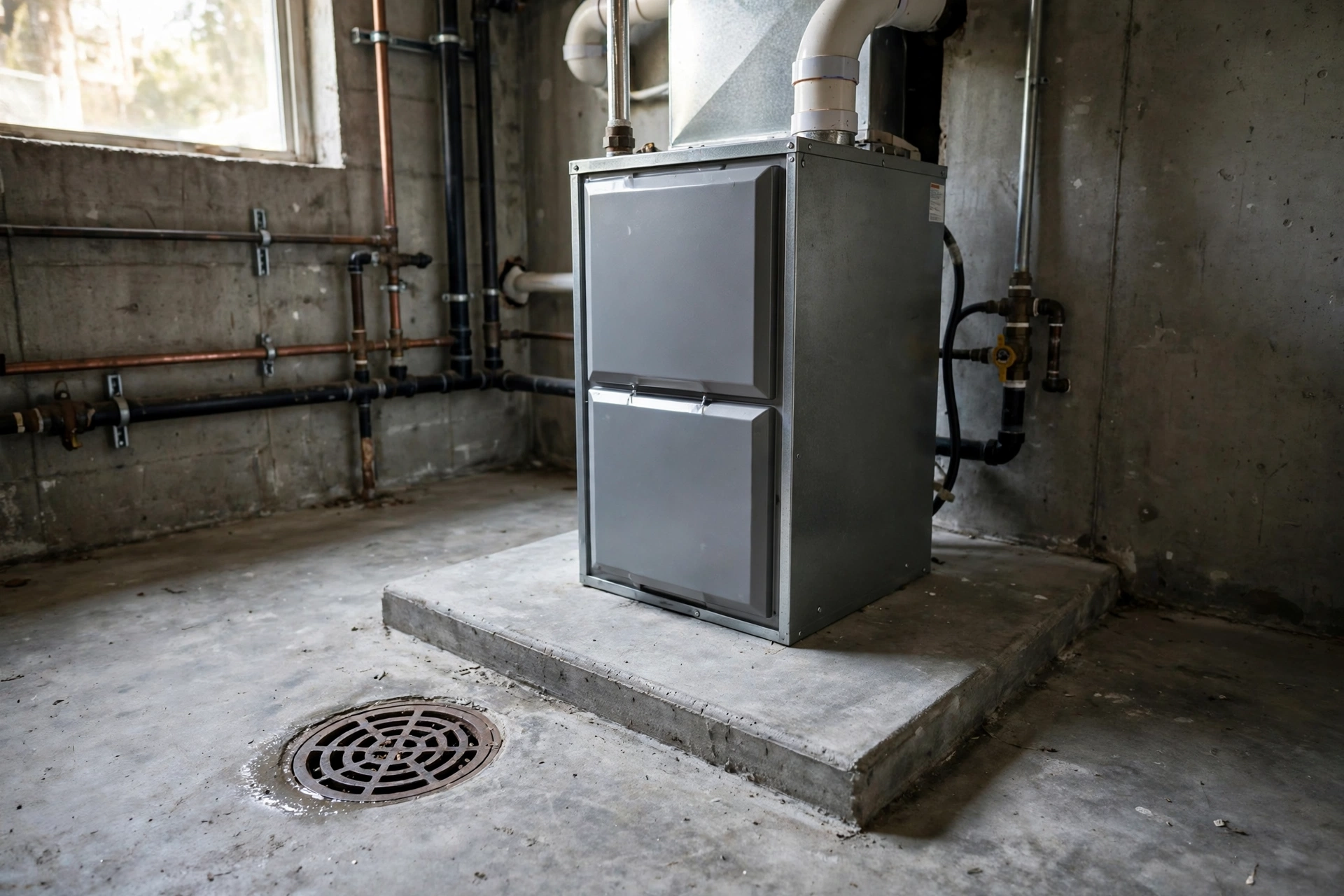
Any fuel burning appliance produces carbon monoxide, and a healthy furnace keeps it sealed inside the heat exchanger and sends it out through the venting. Trouble begins when that separation fails. A crack in the heat exchanger can let exhaust gases mix with the air flowing into the home, and the furnace then distributes the problem through every register.
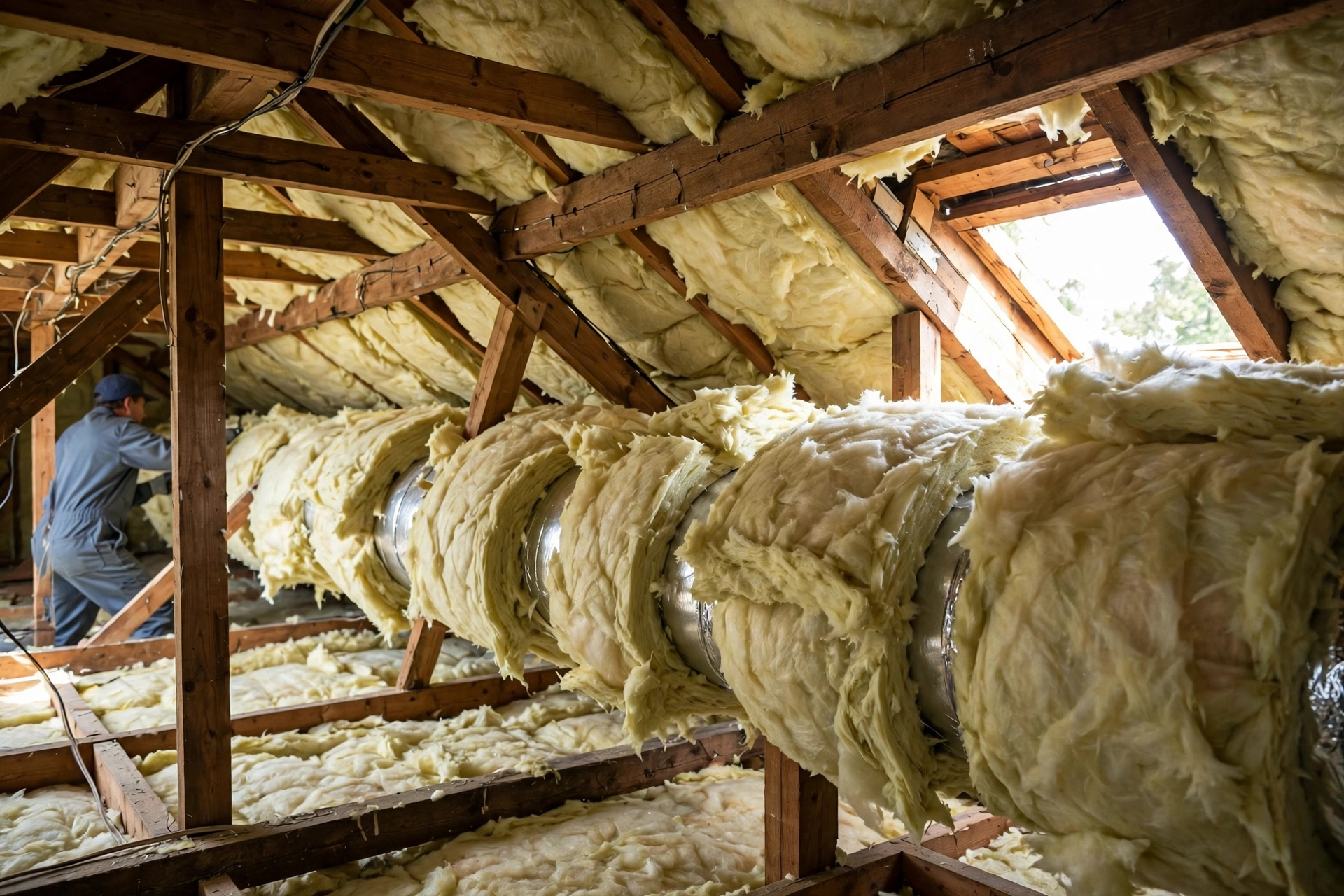
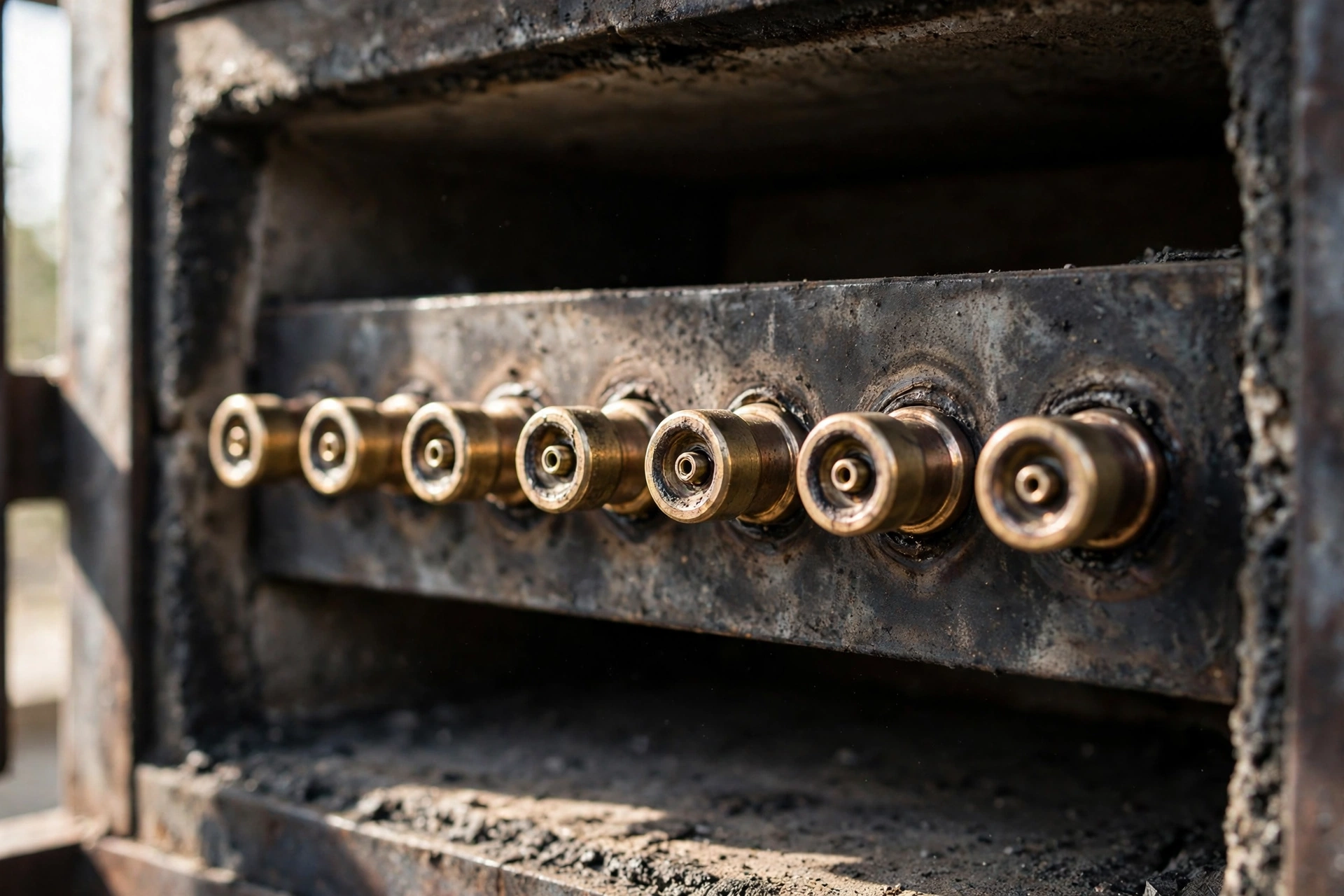
Blocked or damaged venting creates the same risk from the other direction. A crushed flue, a disconnected joint, a nest in a chimney, or snow piled against an outdoor exhaust can push exhaust back toward the living space. Dirty, poorly adjusted burners add a third path by producing more carbon monoxide than clean combustion should. None of these faults announce themselves with a smell, since the gas is colorless and odorless, which is why Manassas homes rely on detectors and inspections rather than senses. Other appliances share the same chemistry, including gas water heaters, stoves, and fireplaces, so a whole home view matters during any investigation, even when the furnace is the appliance that first raised the question for the household that winter.
The Heat Exchanger And Venting
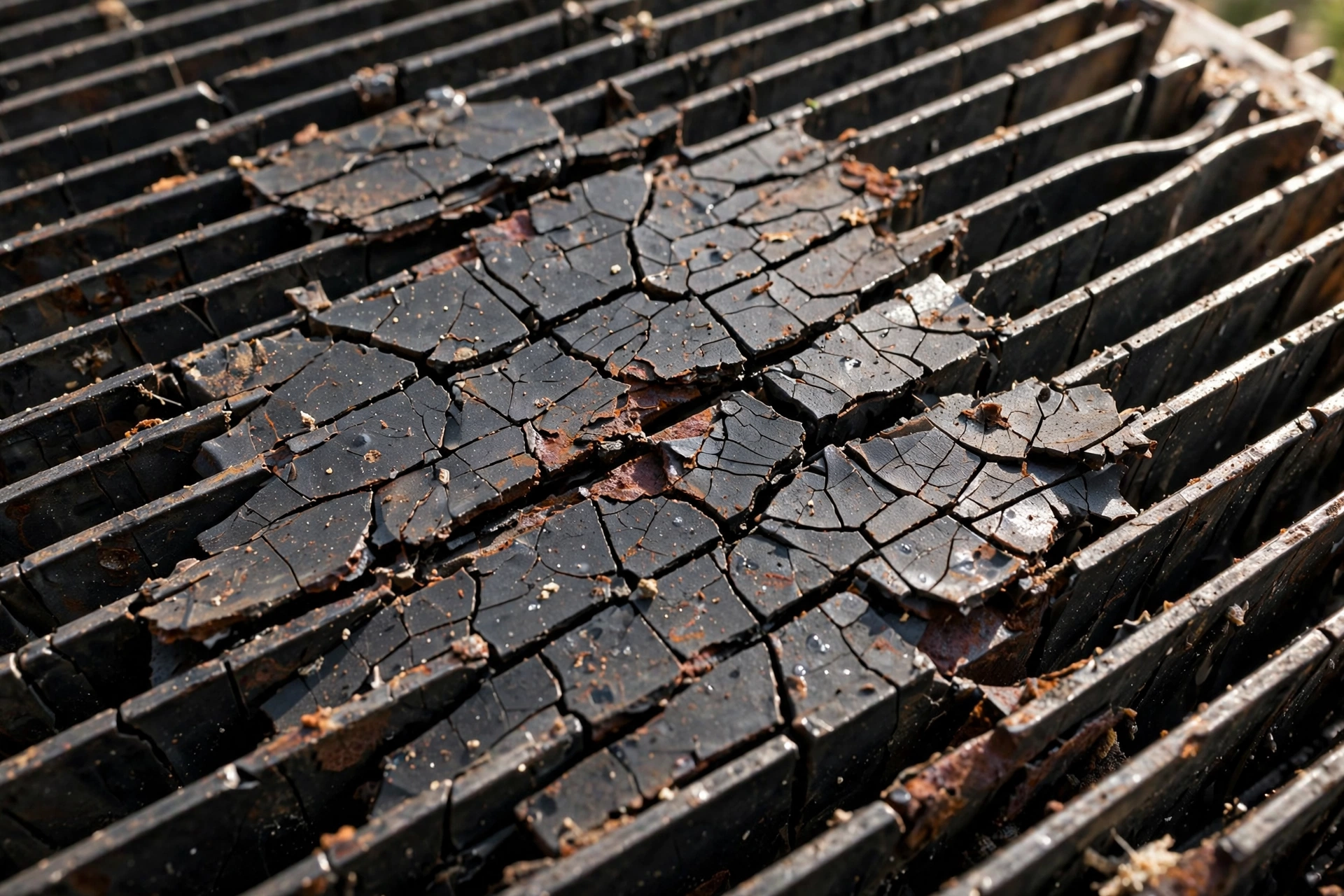
The heat exchanger is the metal barrier between flame and household air, and it expands and contracts with every heating cycle for years. Age, overheating from poor airflow, and corrosion can eventually open cracks or holes in that barrier. Some cracks stay closed while the metal is cold and open only when the furnace is hot, which makes a proper inspection a skilled task rather than a glance with a flashlight.
Venting deserves the same respect. The flue or exhaust pipe must carry combustion gases fully out of the home, with sound joints, correct slope, and a clear path outdoors. Rust streaks, loose sections, or a vent that has shifted after roof or siding work are findings to raise at a service visit. In Manassas, a furnace safety check that includes the exchanger and the full vent path covers the two routes carbon monoxide uses to reach a home. This is why a tune up that skips the exchanger and venting is only half a safety visit, and why homeowners should feel comfortable asking directly whether both were examined before the technician closes the cabinet and finishes the call.
Detector Placement That Protects Sleep
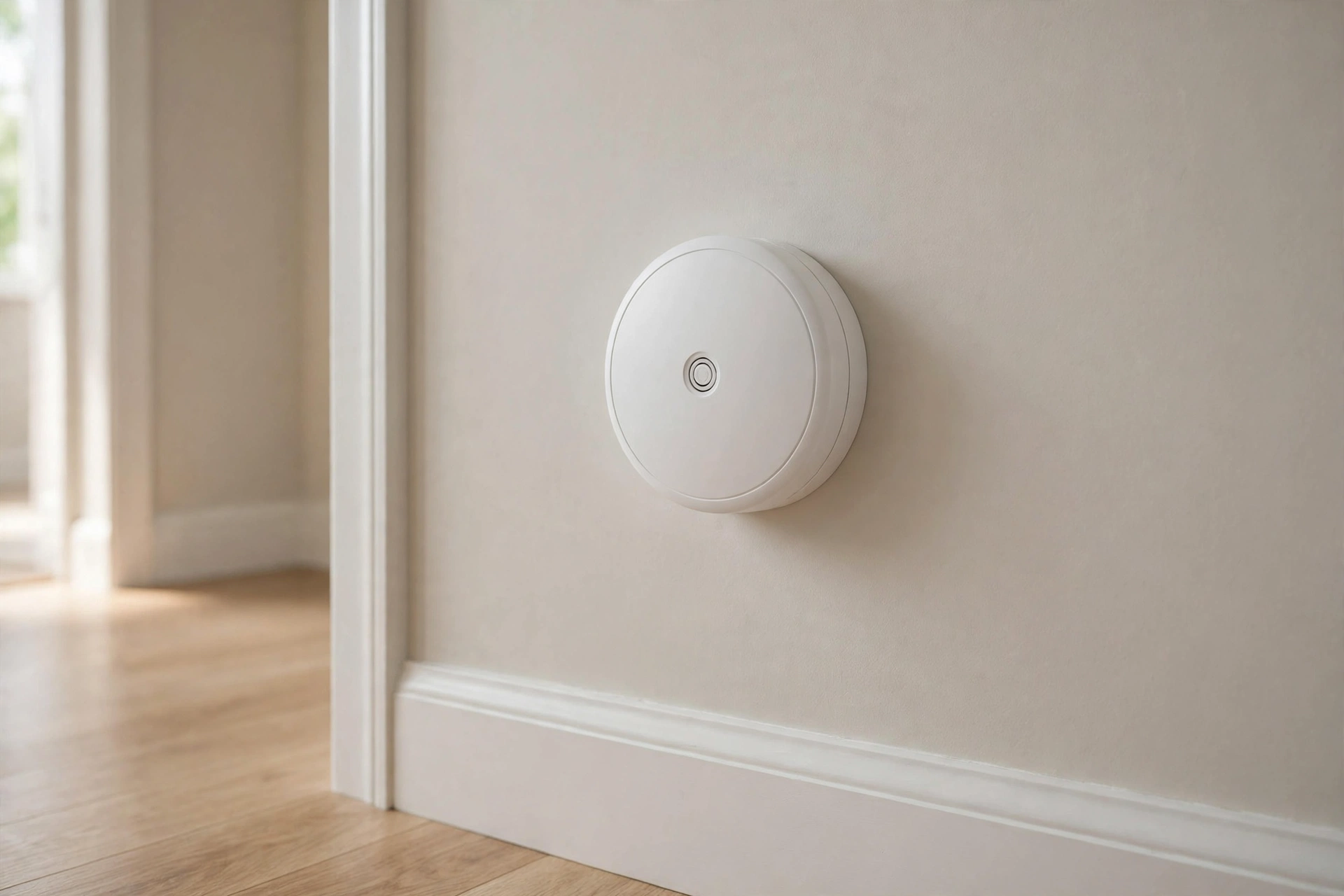
Detectors are the layer of protection that works while everything else sleeps. Place carbon monoxide detectors on every level of the home and outside each sleeping area, following the placement heights and distances from fuel burning appliances that the manufacturer specifies. A single detector in a hallway far from bedrooms leaves gaps exactly where protection matters most, during the night.
Keep detectors current. Test them monthly with the test button, replace batteries on schedule, and replace the whole unit at the age the manufacturer sets, because the sensing element wears out even when the alarm still chirps. Write the installation date on the unit where you can see it. In Manassas homes with attached garages or gas fireplaces and water heaters as well as a furnace, full coverage matters even more, since the furnace is not the only source in the house. Do not place detectors in kitchens, garages, or directly beside a furnace where brief traces during start up can trigger nuisance alarms and tempt someone to unplug the unit, because a disabled detector protects nobody when a real event arrives.
Warning Signs You Can Notice
Carbon monoxide itself gives no sensory warning, but the conditions that produce it sometimes do. Watch for a burner flame that turns mostly yellow or lazy, soot or scorch marks around the furnace cabinet or vent joints, rust and moisture streaks on the flue, or a furnace that repeatedly shuts down for no clear reason after a filter change.
Physical symptoms in the household belong on the same list. Headaches, dizziness, nausea, or fatigue that appear when the heat runs and ease when the family leaves the house deserve immediate, serious attention and medical advice. Treat the pattern as an emergency signal, not a coincidence. In Manassas, fire departments would rather check a home and find nothing than arrive late, and a furnace that shows these signs should stay off until it has been inspected and cleared. Pilot lights and burner flames on other gas appliances deserve a glance in the same review, since a house wide venting problem can show itself at the water heater or fireplace first, well before the furnace displays any symptom of its own.
What To Do If A Detector Sounds
If a carbon monoxide detector sounds, treat it as real. Get everyone, including pets, out of the house first. Do not open the furnace cabinet, do not hunt for the source, and do not air the house out before help arrives, since responders need to measure the air as it is. Call emergency services from outside or from a neighbor home and wait for clearance before going back in.
Once the home is cleared and the source is identified, the furnace stays off until the fault is repaired and verified. If the cause is the heat exchanger or venting, replacement of the failed part or system is a safety requirement, not an upsell, and a reputable Manassas company will explain the evidence plainly. Keep detectors in place and current afterward, because the alarm that woke you did its job exactly once, and it must be ready to do it again. Save the responding agency guidance with your service records afterward, and replace any detector that alarmed and is near its end of life, since an event is a reminder to review the whole safety setup rather than only the furnace.
Questions About Carbon Monoxide and Your Furnace
Can a furnace produce carbon monoxide even if it heats well?
Yes. Heating performance and combustion safety are separate questions. A furnace can warm the house normally while a cracked heat exchanger, failing vent, or dirty burners allow carbon monoxide into the air. That is why annual inspection and working detectors matter even in homes where the heat feels completely reliable.
Where should carbon monoxide detectors be placed in my home?
Install them on every level and outside each sleeping area, at the height and distance from fuel burning appliances the manufacturer specifies. Bedrooms matter most because exposure during sleep is the greatest danger. Test monthly, keep batteries fresh, and replace each unit at its stated end of life date.
What are the household signs of a possible carbon monoxide problem?
Clues include headaches, dizziness, or nausea that appear when the heat runs and fade away from home, plus furnace side signs such as a mostly yellow flame, soot near the cabinet, or rust on the venting. Treat symptoms as an emergency: leave, call for help, and keep the furnace off.
Should I open windows and find the source if my detector alarms?
No. Leave the house with everyone and your pets, and call emergency services from outside. Do not search for the source or ventilate first, because responders need accurate readings and the gas gives no way to judge exposure. Reenter only after officials clear the home and address the cause.