Start With Age And Overall Condition
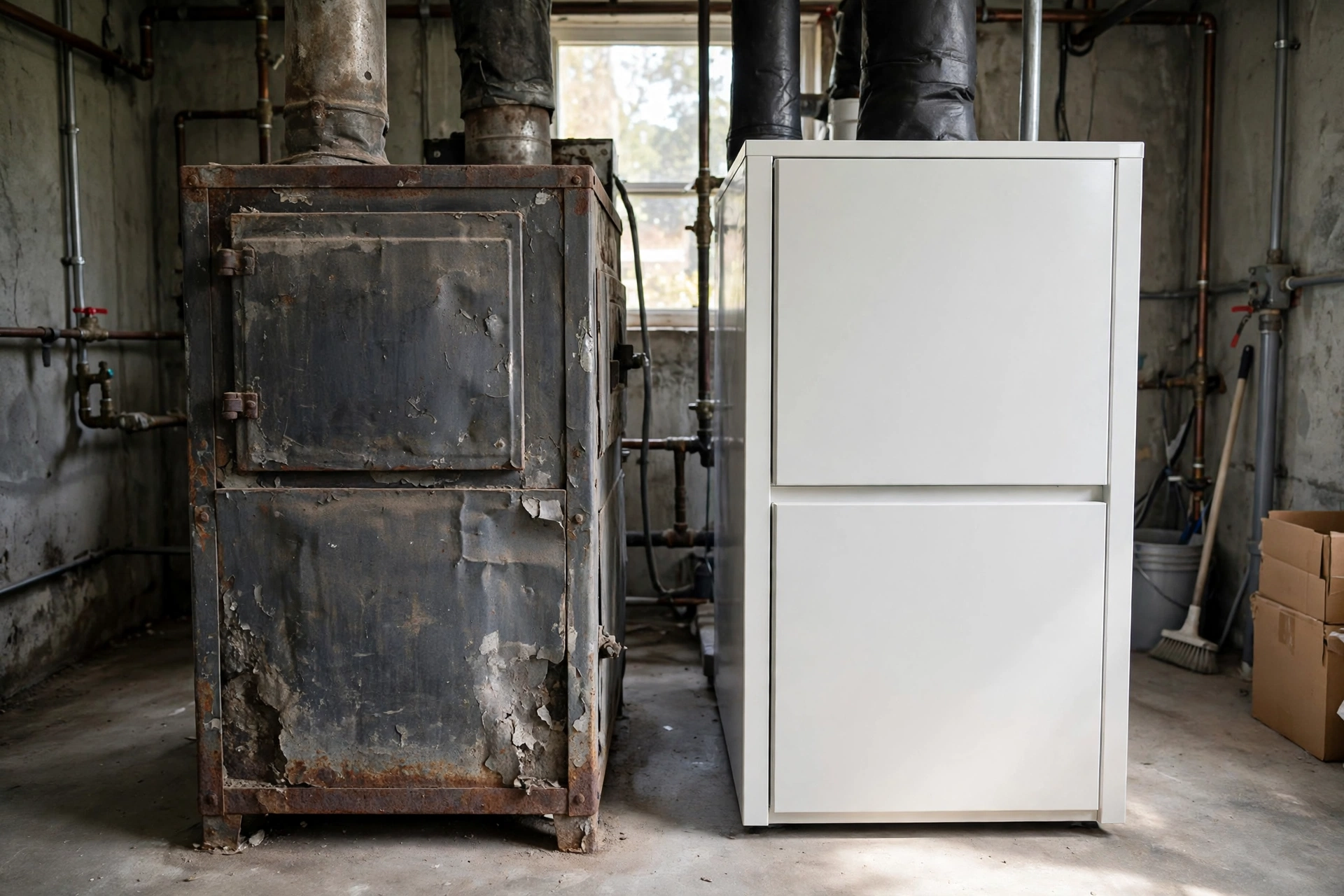
Age sets the frame for the whole decision. A furnace in its early years with a single failed part is almost always a repair. A furnace well into its later years deserves a harder look, not because the calendar decides, but because wear spreads across igniters, motors, controls, and the heat exchanger at the same time, and each repair buys less certainty.
Condition can argue either way. A carefully kept older furnace with a clean inspection can be a better repair candidate than a neglected younger one with corrosion and a list of deferred problems. Ask for a condition report that separates what failed, what is worn, and what is sound. Manassas homeowners make better decisions from that three part picture than from age alone, and a good report also becomes the baseline if you choose to repair now and replace later. Photograph the model and serial plate during this review, since those details let any company confirm parts accurately, verify the true age of the unit, and check whether the model has known issues worth factoring into the choice you are making.
Read Your Repair History As A Pattern
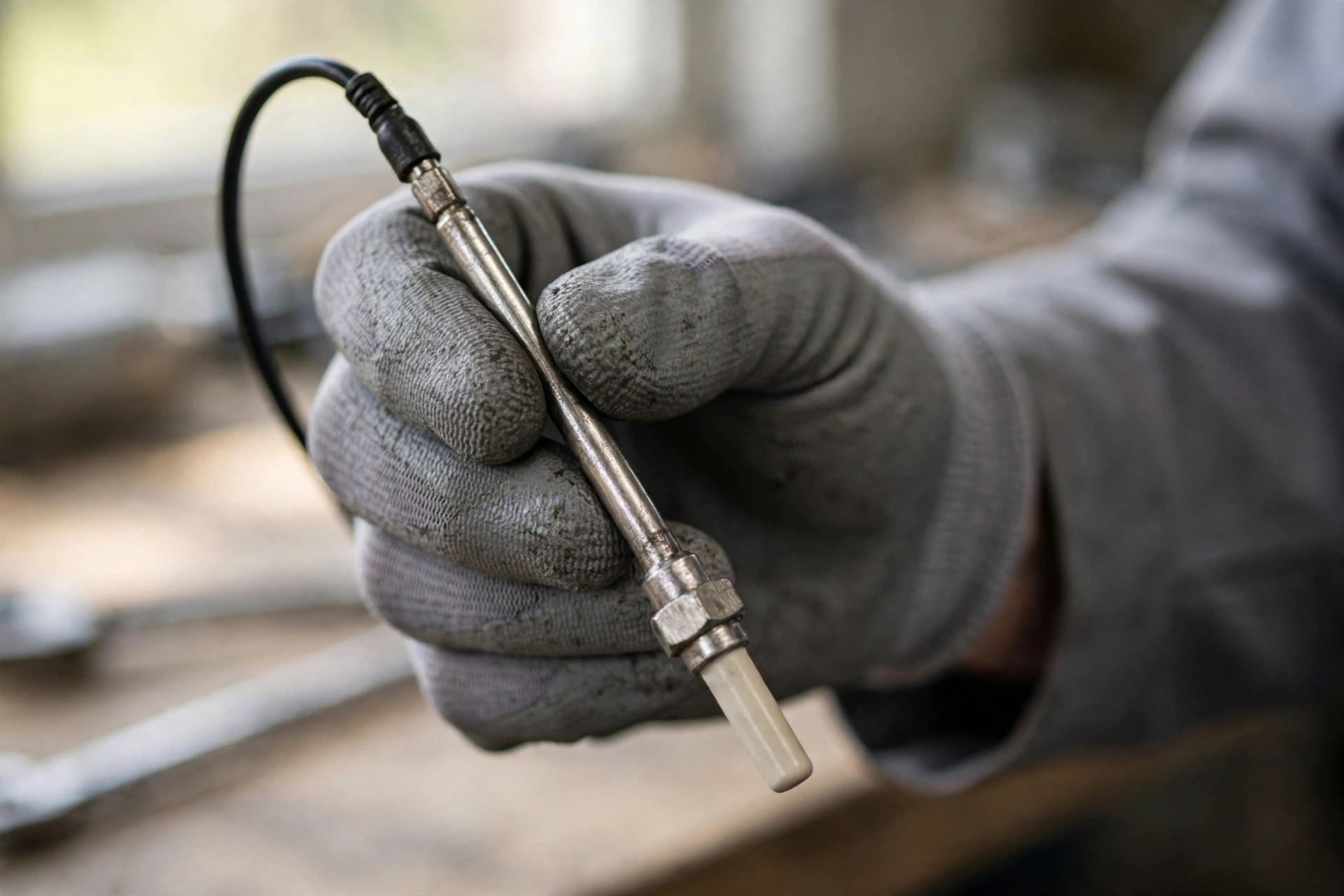
One repair is an event. A pattern of repairs is information. Look back over the last few winters: how many calls, for which parts, and in which seasons. Failures that cluster, such as ignition parts one year, a motor the next, and controls after that, suggest a system entering the stage where components reach the end of their working lives in quick succession.
Also weigh the trend in comfort, not just the invoices. If each repair restores the furnace for a shorter stretch, or small problems linger between visits, the value of the next fix shrinks. Keep service records in one folder so the pattern is visible at a glance. In Manassas, where a heating failure lands hardest in January, a pattern that is obvious on paper in October is exactly the warning that lets you replace on your schedule instead of the furnace choosing the date. Include the small calls in that history, not just the major ones, because a string of minor resets, sensor cleanings, and nuisance shutdowns tells the same story of decline as one large failure, just in quieter chapters spread across the seasons.
Safety Findings Change The Decision
Some findings move the decision out of the repair column entirely. A cracked heat exchanger is the clearest example, because it can allow combustion gases, including carbon monoxide, into the air the home breathes. A furnace with that finding should not be run, and replacement becomes a safety matter rather than a budgeting preference.
Other safety results deserve the same seriousness: repeated flame rollout, severe corrosion in the venting, or combustion readings a technician cannot bring into line with cleaning and adjustment. Ask what was measured, not just what was concluded. A trustworthy Manassas technician will explain the finding, show you the evidence where possible, and be clear about which problems a repair can truly solve and which ones it cannot. When safety is the driver, speed matters more than squeezing another season from the unit. Get a second inspection if a safety finding surprises you and the furnace is otherwise young, since an important decision deserves confirmation, but keep the system off while you arrange it rather than running it to stay warm in the meantime.
Efficiency And Comfort Count Too
A furnace can be repairable and still be the wrong system to keep. Older units convert less of their fuel into usable heat than modern equipment, and they often pair that with single stage operation that overshoots and undershoots the thermostat setting. If rooms swing between chilly and stuffy, if the system runs long cycles yet never feels settled, comfort is part of the arithmetic.
Think about how long you plan to stay in the home. A Manassas homeowner settling in for many winters gains more from a replacement with steadier heat and lower fuel use than someone preparing to sell in a year, where a sound repair may be the sensible path. Neither answer is automatic. Lay the repair history, the safety report, and your plans side by side, and the decision usually becomes clearer than any single factor makes it look. Fuel bills across a full winter, compared with similar weather in earlier years, give this part of the decision real evidence, turning a vague feeling that the system costs more to run into a trend you can point to and discuss.
Make The Call Before The Emergency
The worst version of this decision happens at midnight in a cold house, with limited time and a family waiting on the answer. The best version happens in the fall, with a condition report in hand, time to compare options, and the option to repair now and plan a replacement for spring if the system is sound enough to carry one more winter safely.
Use a simple order of questions: Is it safe to run? What failed, and what else is worn? How often has it needed help lately? How well does it actually heat the home? If the answers stack up on one side, act on them while you have choices. Manassas Furnace Pros can inspect the system, explain the findings in plain terms, and leave the decision with you, which is where it belongs. Write the decision down once you make it, with the reasons in plain words, so a future breakdown does not reopen settled questions in a panic, and everyone in the household understands the plan the family agreed on while thinking clearly.
Questions About Repair or Replace
What furnace problems usually mean replacement instead of repair?
A cracked heat exchanger, severe venting corrosion, or combustion problems that cleaning and adjustment cannot correct point toward replacement for safety reasons. Repeated major part failures in a short span point the same way practically. A single failed igniter or sensor on a sound system is normally a repair.
How does repair frequency affect the decision?
Frequency reveals the pattern behind single bills. A furnace needing a significant repair most winters is telling you its parts are wearing out in sequence, so each new fix buys less reliability. Tracking calls over two or three seasons, with the parts involved, makes that pattern easy to see.
Can an older furnace still be worth repairing?
Yes, if an inspection shows the heat exchanger is sound, combustion is clean, and the failure is a single ordinary part. Condition matters more than age alone. Ask for a report that separates the failed part from the worn and the sound, so the choice rests on evidence.
When is the best time to decide about replacement?
In the fall, before heating season peaks. You get a full inspection, time to compare equipment options, and flexible scheduling, and you avoid deciding during a no heat emergency. If the report shows the furnace can run safely, you can also plan a spring replacement rather than rushing one.