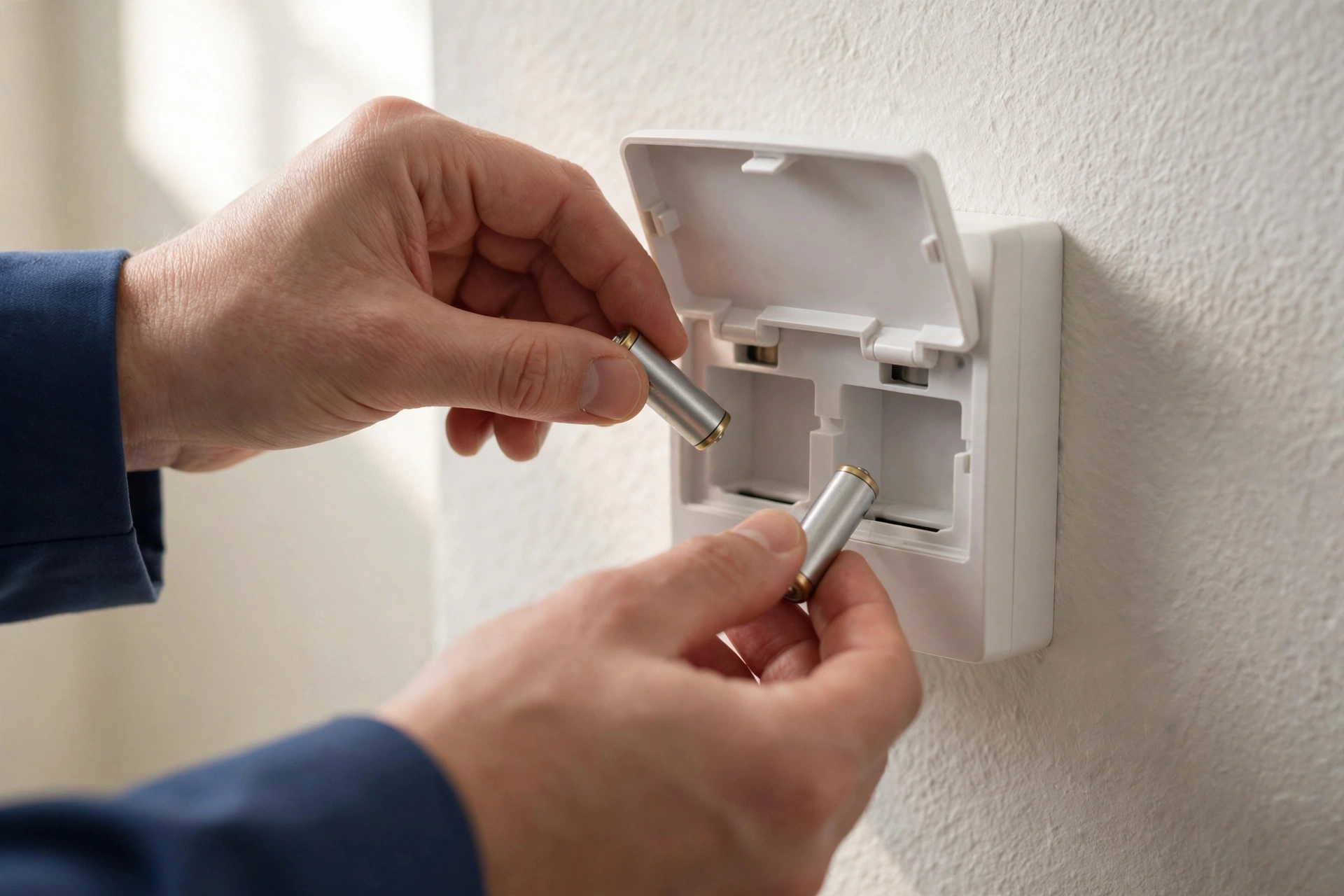
Dead Batteries And Blank Screens
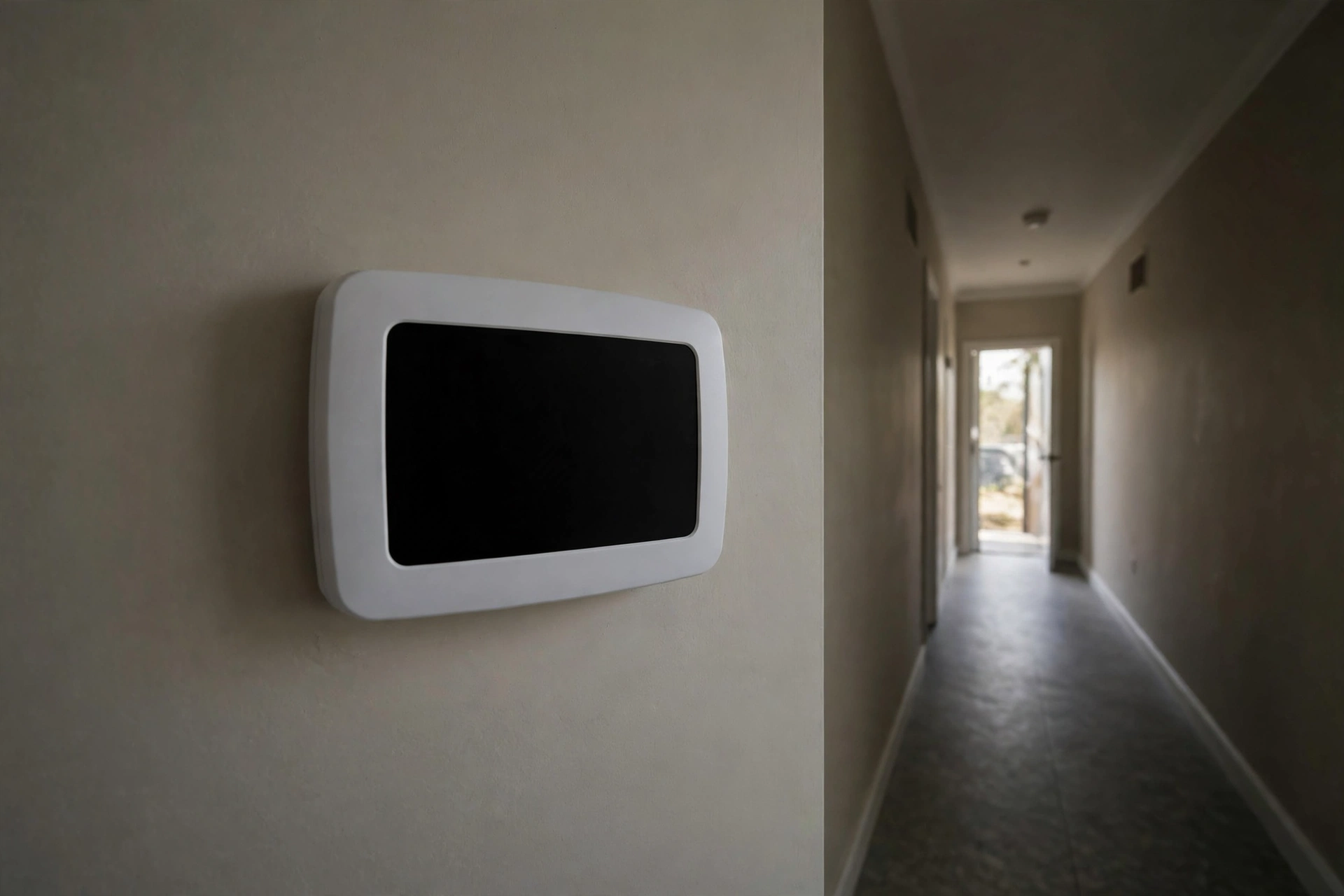
The simplest thermostat fault is also the most common impersonator of a dead furnace. Many thermostats run on batteries, and as power fades the screen dims, the temperature reading wanders, or the display goes blank entirely. With no control signal, the furnace sits silent and the house cools, and the failure looks exactly like a heating breakdown.
Fresh batteries solve the mystery in minutes, and the start of heating season is the smart time to replace them whether or not they have failed yet. If a new set does not revive the screen, the thermostat may have lost power from the furnace side, which can involve a tripped switch, a float switch on the drain, or a control fuse. That distinction, screen dead with good batteries, is a valuable detail to report on any Manassas service call. Some thermostats also draw power from the furnace and use batteries only as backup, so a screen that dies the moment the furnace loses power is itself a clue, pointing the investigation toward the equipment room rather than the wall control alone.
Placement That Tricks The Sensor
A thermostat reads the temperature where it sits, not the average of the house. Mounted above a supply register, beside a sunny window, on a wall warmed by a kitchen, or in the draft of an exterior door, it will satisfy or call at the wrong times and leave other rooms too cold or too warm while the furnace cycles normally.
Placement problems get misread as furnace problems every winter in Manassas. The heat works, the vents blow warm, yet one part of the home never feels right. Before blaming the equipment, check what has changed near the thermostat: a new lamp, a television moved beneath it, a blocked return, or a door now left open. Relocating a poorly placed thermostat is a modest job, and it can transform comfort more completely than any furnace adjustment, because every decision the system makes starts with that one reading. Renters and new owners in Manassas inherit placement choices made by builders or earlier owners, so a thermostat mystery is often part of the house rather than a failure anyone caused, and it can be corrected without touching the furnace at all.
Calibration Drift And Reading Errors
Thermostats can drift. An aging sensor or a unit knocked slightly out of level in older mechanical designs can read several degrees away from the true room temperature, so the furnace stops early or runs long while faithfully following a wrong number. The house feels misheated, but the furnace is obeying its instructions exactly as given.
Test the reading with a simple room thermometer placed beside the thermostat for an hour, away from vents and sunlight. A small gap is normal. A large, steady gap explains the comfort complaint and points to calibration settings on digital models or replacement on worn ones. Note the size of the gap before you call. In Manassas homes, a clear report such as the thermostat reads four degrees high turns a vague comfort call into a short, focused visit. Repeat the comparison on a second day if the first result is borderline, since sunlight through a window or cooking in a nearby kitchen can skew a single reading, and a fair test needs the room settled at an ordinary, even temperature.
Wiring Faults Behind The Cover
Behind every thermostat is a bundle of low voltage wires, and small faults there mimic big failures. A loose terminal, a wire nicked during painting or remodeling, or corrosion on a contact can drop the heat call while cooling still works, or make the system start and stop unpredictably when the wall vibrates or the door slams.
Intermittent problems are the signature of wiring trouble, because the connection fails and remakes itself. Homeowners can safely note patterns: does the furnace respond after the thermostat is tapped, does the screen flicker, did trouble start after work was done on that wall. Leave the wiring itself to a technician, since miswired controls can damage the furnace board. In Manassas service work, an honest note about when the odd behavior began is often the fastest route to the loose connection behind it. Photograph nothing and move nothing behind the cover yourself, but do check that the thermostat body sits firmly on its base, because a unit left slightly unseated after cleaning or painting can produce exactly the intermittent behavior described on many calls.
Programming Traps And Hidden Holds
Modern thermostats fail homeowners through features rather than faults. A vacation hold left active, a schedule built for a summer routine, a temporary override that became permanent, or a learning mode still adapting after a household change can all leave the house cold at breakfast while the equipment sits in perfect health, waiting for instructions that never come.
Walk the program before you conclude the furnace has failed. Confirm the mode is heat, clear any hold, check the schedule for the current day, and verify the clock is right, since a wrong clock shifts every programmed period. Smart thermostats add one more trap: a phone app and the wall unit disagreeing after an update. Manassas homeowners who review settings seasonally, the way they change filters, avoid most of these traps entirely. After any power outage, give the thermostat a quick review as part of putting the house back in order, since some models lose their clock or return to a default schedule, and the problem only shows itself at the next programmed change of the day.
Questions About Thermostat Problems That Mimic Furnace F
Can low thermostat batteries really shut down my heat?
Yes. As batteries fade, the thermostat may stop sending the heat call, show a dim or blank screen, or reset unpredictably, and the furnace never starts. Replacing batteries at the start of heating season is the easiest prevention. If fresh batteries fail, the power problem sits furnace side.
How do I check if my thermostat reads the temperature wrong?
Set a basic room thermometer beside the thermostat for about an hour, away from vents, lamps, and sunlight. Compare the two readings. A small difference is normal, but a steady gap of several degrees suggests drift or a failing sensor, which a technician can confirm and correct or replace.
Why does my furnace work again after I tap the thermostat?
A furnace that responds to tapping usually has a loose connection, a worn contact, or a thermostat near the end of its life, because the tap briefly remakes the circuit. Report that pattern exactly as it happens. Intermittent faults are found faster when the technician knows what temporarily fixes them.
Could my thermostat schedule be why the house is cold in the morning?
Yes. An active hold, a summer schedule, a wrong clock, or a deep overnight setback can all leave mornings cold while the furnace itself is healthy. Review the program for the current day, clear old holds, confirm heat mode, and check that recovery starts early enough for your household routine.